
Aug 19, 2026 · 26 min
Imported capital goods test the Fed’s inflation outlook
Let's import some inflation
Rising prices for imported technology and other capital goods could turn data-center investment and tariff uncertainty into a broader inflation problem.
- 1Imported computers, semiconductors and metals are becoming a potential new pressure point for consumer prices.
- 2Treasury buybacks, fiscal deficits and a weakening dollar raise questions about bond-market stability and Federal Reserve priorities.
- 3Venezuela’s oil ambitions and vertical microdramas reveal businesses navigating political, financial and platform risks.
Don't miss
The episode’s clearest structural warning arrives when imported technology for data-center construction emerges as a possible future source of consumer inflation.
The brief
Treasury buybacks are meant to support the bond market, but persistent deficits and a weaker dollar keep investors focused on fiscal strain and the so-called debasement trade.
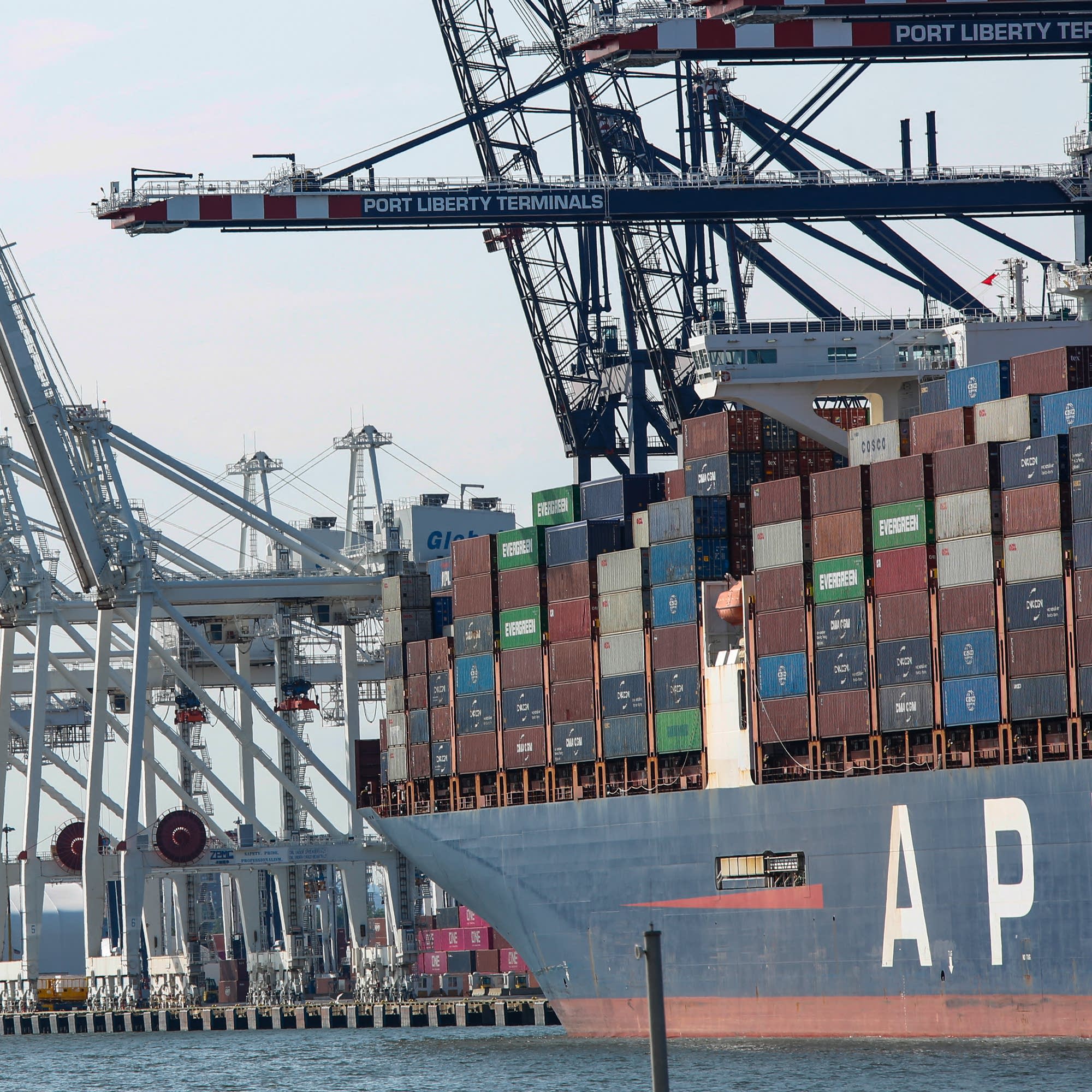
Imported computers, semiconductors, metals and other capital goods are getting costlier as data-center construction accelerates, creating a possible route from investment spending to consumer inflation.
Gretchen Blau describes how the threatened 50% Canadian tariffs left companies rushing shipments and planning around uncertainty rather than a clear trade regime.
Venezuela has valuable oil reserves and wants U.S. investment, but sanctions, politics, financing and damaged infrastructure make a return to earlier production levels uncertain.
Chris Crema and Matthew Coe explain how Knockout Shorts builds low-budget vertical dramas for phones, betting that narrow framing and per-view economics can challenge free, ad-supported platforms.
The episode closes on the federal debt surpassing $40 trillion, turning an abstract fiscal concern into a precise and consequential milestone.
 Kai Ryssdal
 Chris Crema
 I Love Lucy
Listen to the full episode and explore every guest, topic, and moment on PodLume.