
Sep 8, 2026 · 11 min
Hurricanes may accelerate evolution in island lizards
How hurricanes triggered lizard evolution
The episode shows how sudden environmental shocks can leave measurable biological changes while widening the picture of heat-related risk and artifact fraud.
- 1Shorter hind toes helped Silver Key Anoles grip branches during simulated hurricane-force winds.
- 2Magnetic signals in iron-bearing minerals can help distinguish ancient pottery from newer forged artifacts.
- 3Extreme heat was associated with kidney failure, mental health crises, assaults, and traffic accidents beyond heat stroke.
Don't miss
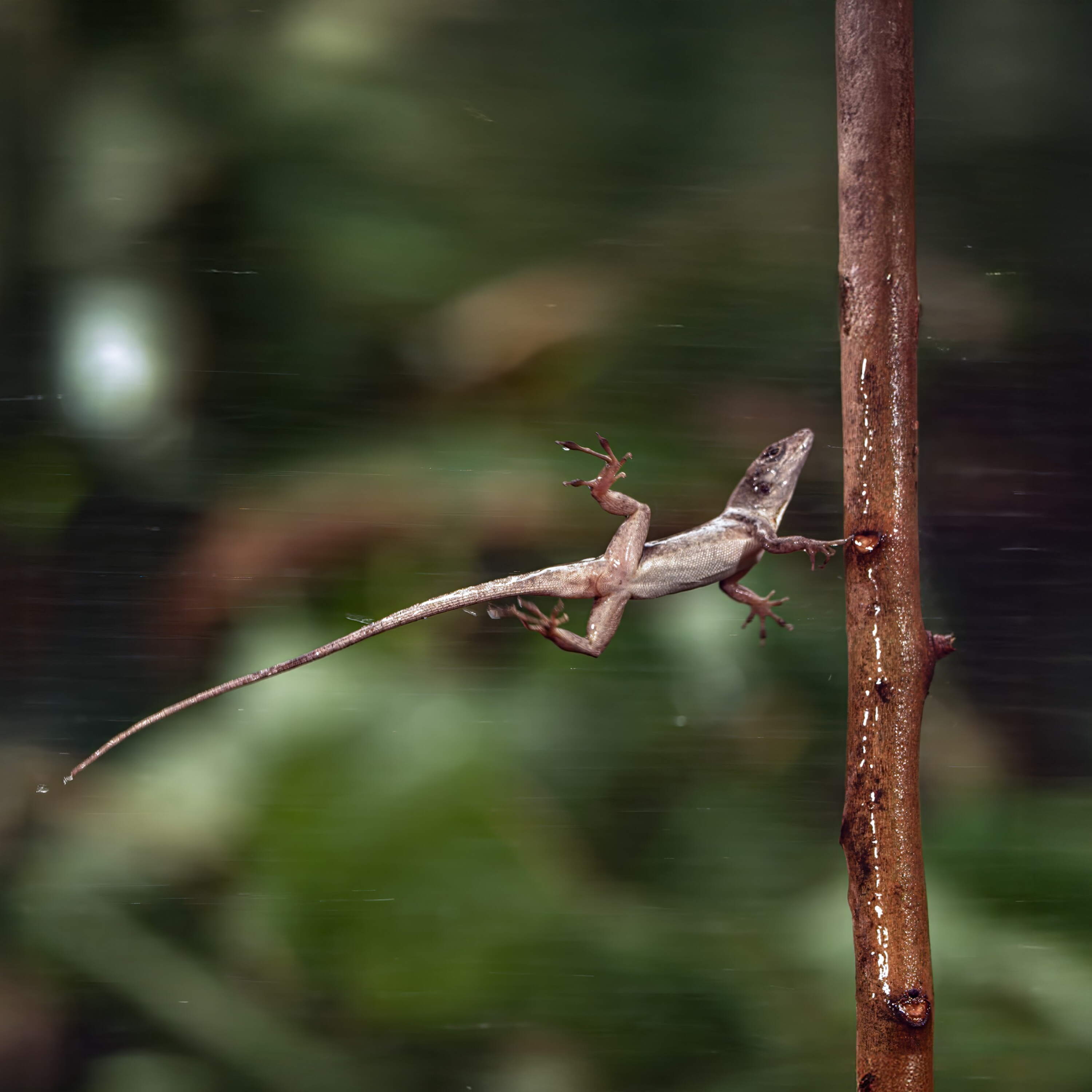
Silver Key Anoles with shorter hind toes cling more effectively to branches in simulated hurricane winds, turning a disaster into an evolutionary test.
The brief
Hurricanes Irma and Maria created a natural test of evolution: Silver Key Anoles with shorter hind toes held branches more effectively in simulated hurricane winds.
Researchers linked the toe-length trait to a specific gene, suggesting that animals may adapt measurably when environmental conditions change faster than expected.
A magnetic method offers another kind of time test, reading signals preserved in iron-bearing minerals and using reheating to distinguish ancient pottery from newer forgeries.
A Chicago study of nearly one million emergency and urgent-care visits associated extreme heat with kidney failure, skin conditions, mental and behavioral disorders, assaults, and traffic accidents.
The episode’s broader point is caution as much as discovery: associations reveal patterns worth investigating, but they do not by themselves prove causation.
 Shane Campbell-Staton
Listen to the full episode and explore every guest, topic, and moment on PodLume.