
Aug 30, 2026 · 23 min
How secretaries turned workplace frustration into a movement
Dolly Parton’s “9 to 5,” the true story behind the anthem (bonus)
The story shows how organizing and popular culture challenged workplace sexism while leaving childcare, harassment, pay inequality, and union decline unresolved.
- 1Boston secretaries built 9to5 into a national movement against workplace sexism and abusive management.
- 2Jane Fonda and Dolly Parton helped carry clerical workers’ stories from organizing campaigns into mainstream popular culture.
- 3The movement won important reforms, but persistent inequality and declining union power limit its legacy.
Don't miss
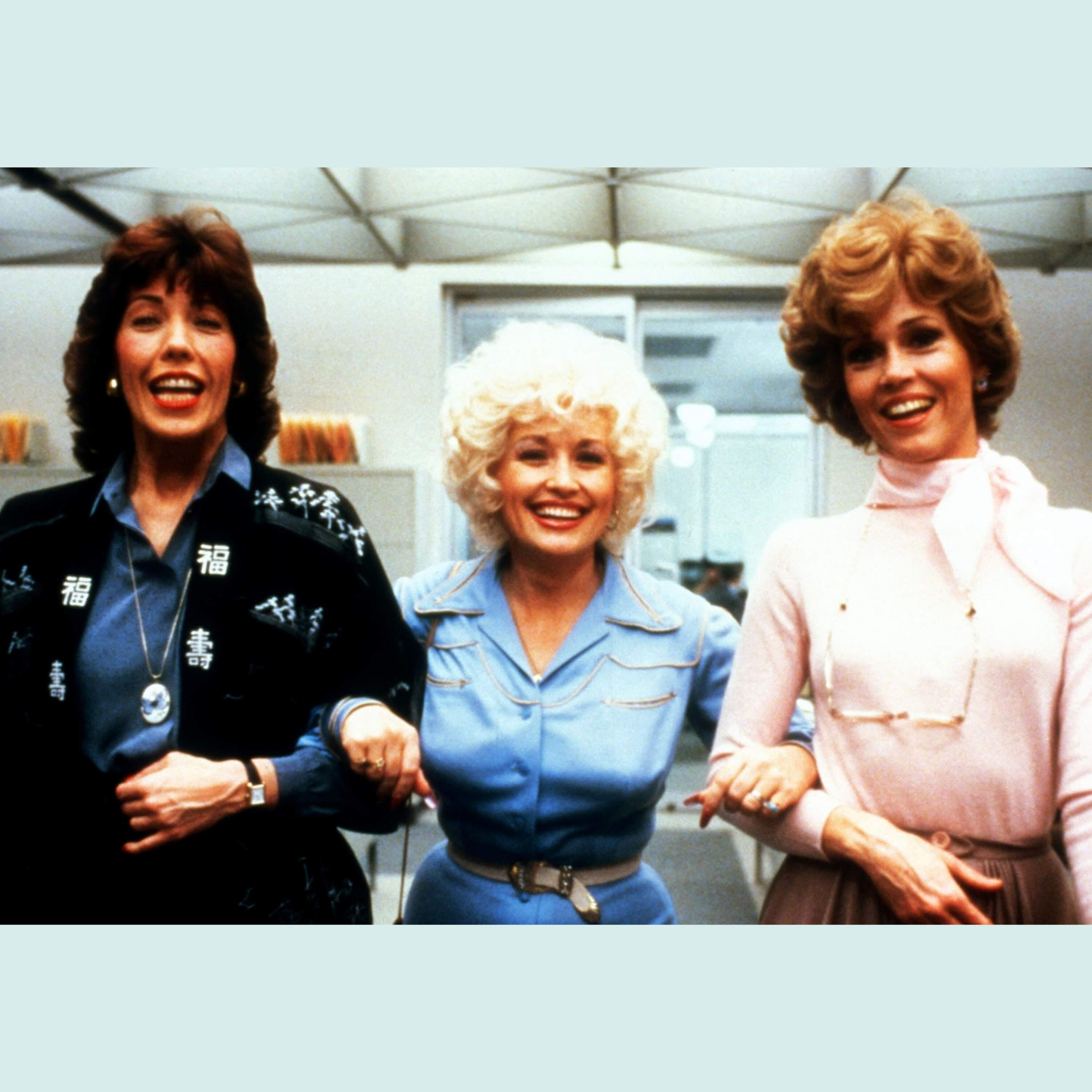
Karen Nussbaum recalls watching 9 to 5 in a theater and hearing audiences recognize their own workplace lives on screen.
The brief
Dolly Parton’s song and the film 9 to 5 grew from Boston secretaries organizing against sexist offices, petty bosses, and unequal treatment in the 1970s.
Karen Nussbaum explains how clerical workers built 9to5, using humor, television, and collective action to expose workplace abuses and win reforms.
Jane Fonda helped turn those workplace stories into a major film, while Patricia Resnick drew on women’s experiences to shape its characters and plot.
The film made sexual harassment visible before the phrase was widely used, even as its production reflected the same struggle over women’s labor and credit.
Seeing audiences recognize their own working lives helped 9 to 5 expand nationally, but childcare, pay inequality, harassment, and union decline remain unresolved.
Dolly Parton’s “Five to Nine” updates the anthem for modern working women, linking the movement’s unfinished demands to contemporary work.
Featuring
 Karen Nussbaum
 Jane Fonda
 Dolly Parton
 Lily Tomlin
Listen to the full episode and explore every guest, topic, and moment on PodLume.