
Aug 27, 2026 · 10 min
Hollywood’s debt turns finished films into financial write-offs
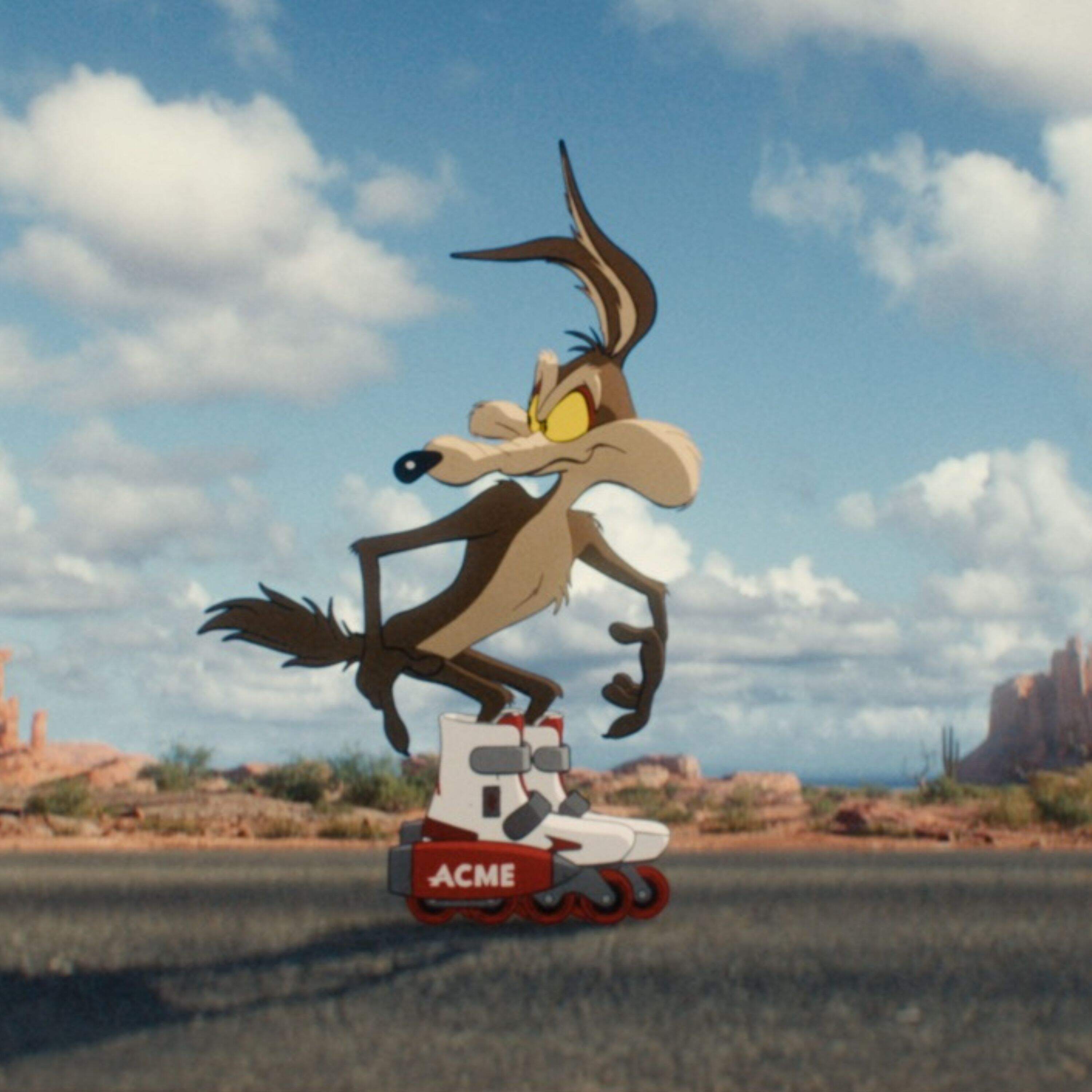
Coyote vs. Acme finally gets its big break
The episode shows how mergers, debt, tax strategy and marketing costs can determine a movie’s fate after production is complete.
- 1Warner Bros. Discovery’s debt burden helped make shelving completed films financially rational.
- 2Coyote vs. Acme’s $50 million sale exposed the risks of expensive, difficult-to-market productions.
- 3The filmmakers argue Hollywood should spread risk across more modestly budgeted movies.
Don't miss
Ketchup Entertainment’s $50 million purchase gives Coyote vs. Acme a theatrical release after Warner Bros. Discovery shelved it.
The brief
Coyote vs. Acme began as a bet on a familiar Wile E. Coyote premise, then became an unlikely case study in how Hollywood finances risk.
The film’s cancellation followed Warner Bros. Discovery’s merger and debt burden, which made tax write-downs and avoided marketing costs part of the decision.
Its $50 million purchase by Ketchup Entertainment secured a theatrical release, turning an abandoned production into evidence that another distributor saw value.
The filmmakers’ larger argument is that Hollywood should make more modestly budgeted films instead of concentrating resources in a few expensive bets.
Coyote vs. Acme’s long-delayed delivery of hope, surprise and emotion becomes the episode’s clearest rebuttal to treating completed films as mere accounting entries.
Featuring
 Warner Bros. Discovery
 Wile E. Coyote
Listen to the full episode and explore every guest, topic, and moment on PodLume.