
Aug 26, 2026 · 31 min
Himalayan floods expose rising disaster risks
Hundreds missing after devastating floods on China-Nepal border
The episode connects a remote Himalayan catastrophe to fragile infrastructure, climate-linked hazards, public-safety failures, and pressures shaping lives across Asia.
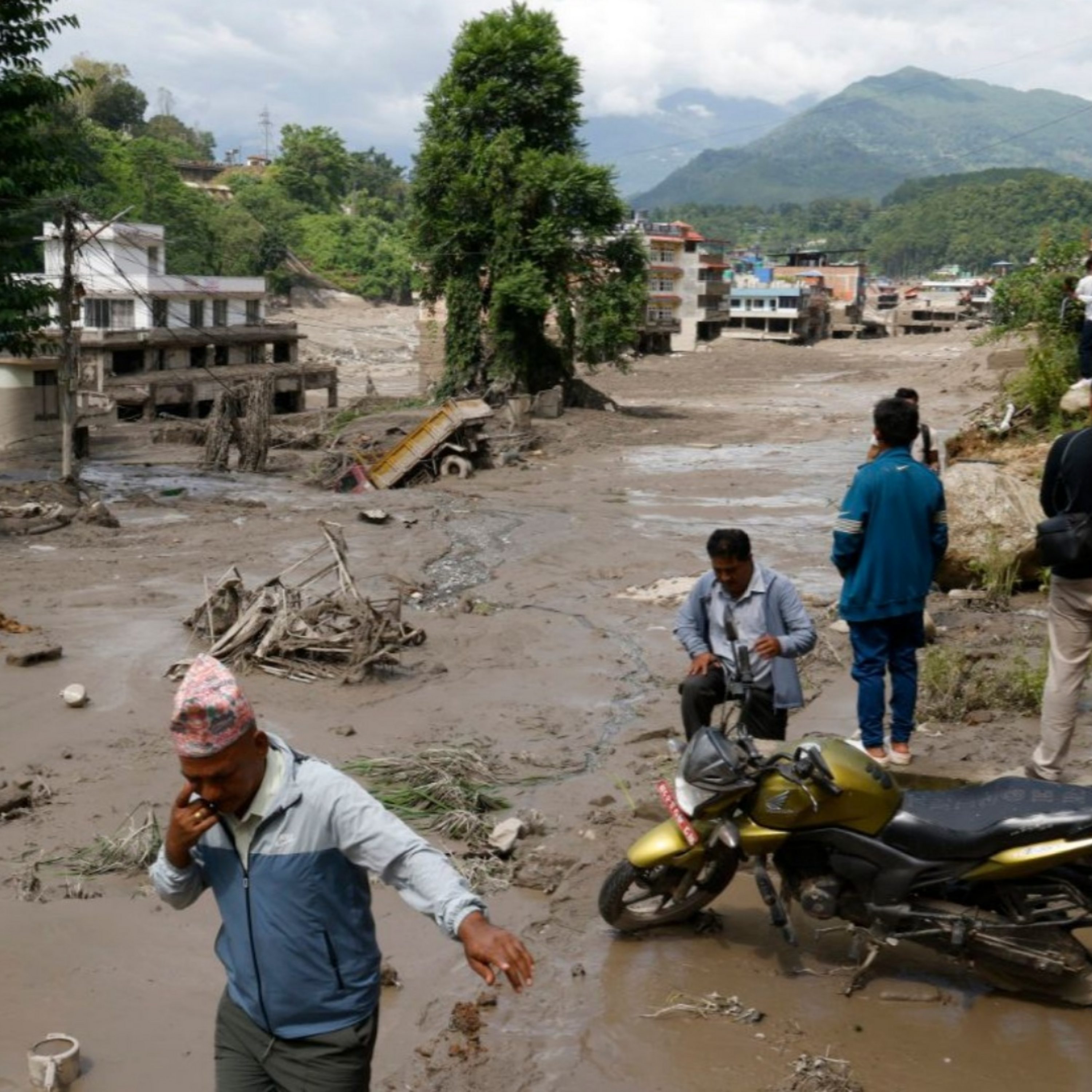
- 1Flash floods destroyed villages and infrastructure near Nepal’s China border, leaving hundreds missing as rescuers struggled to reach the region.
- 2Experts weigh several geological explanations while warning that warming temperatures may intensify hazards across the Himalayas.
- 3Reports examine newborn deaths in a Pakistan hospital fire, teenage prescription-drug misuse in China, vaping’s cessation evidence, and attacks on Ukraine’s fuel network.
Don't miss
The flood report captures the scale of destruction in Raswa, where homes and people were swept away and rescuers struggled to reach survivors.
The brief
Catastrophic flash floods near Nepal’s border with China swept away homes, roads, bridges, and power infrastructure, leaving hundreds missing in a remote region.
Correspondents examine whether a mudslide, rock-and-ice avalanche, or glacial lake outburst triggered the disaster, while warming raises concern about future Himalayan hazards.
The Pakistan hospital fire that killed at least 14 newborns turns attention to evacuation failures, locked wards, electrical risks, oxygen equipment, and weak fire precautions.
The bulletin also reports evidence that nicotine vaping helps more smokers quit than patches or gum, while long-term risks and unlicensed products remain uncertain.
Other reports track Russian attacks on Ukrainian petrol stations and prescription-drug misuse among Chinese teenagers facing exam pressure and worsening employment prospects.
 Ukraine
Listen to the full episode and explore every guest, topic, and moment on PodLume.