
Aug 27, 2026 · 6 min
Himalayan floods expose climate risks beyond rising water
As the climate changes, is the deadly flooding in Nepal a sign of things to come?
The disaster shows how warming can destabilize mountain terrain while leaving communities dependent on warning systems that may not be ready.
- 1A likely glacier collapse helped trigger deadly flash floods along the Tibet-Nepal border.
- 2Shrinking glaciers and thawing permafrost are weakening the stability of Himalayan terrain.
- 3Earlier alerts could save lives, but reducing fossil-fuel use remains the fundamental response.
Don't miss
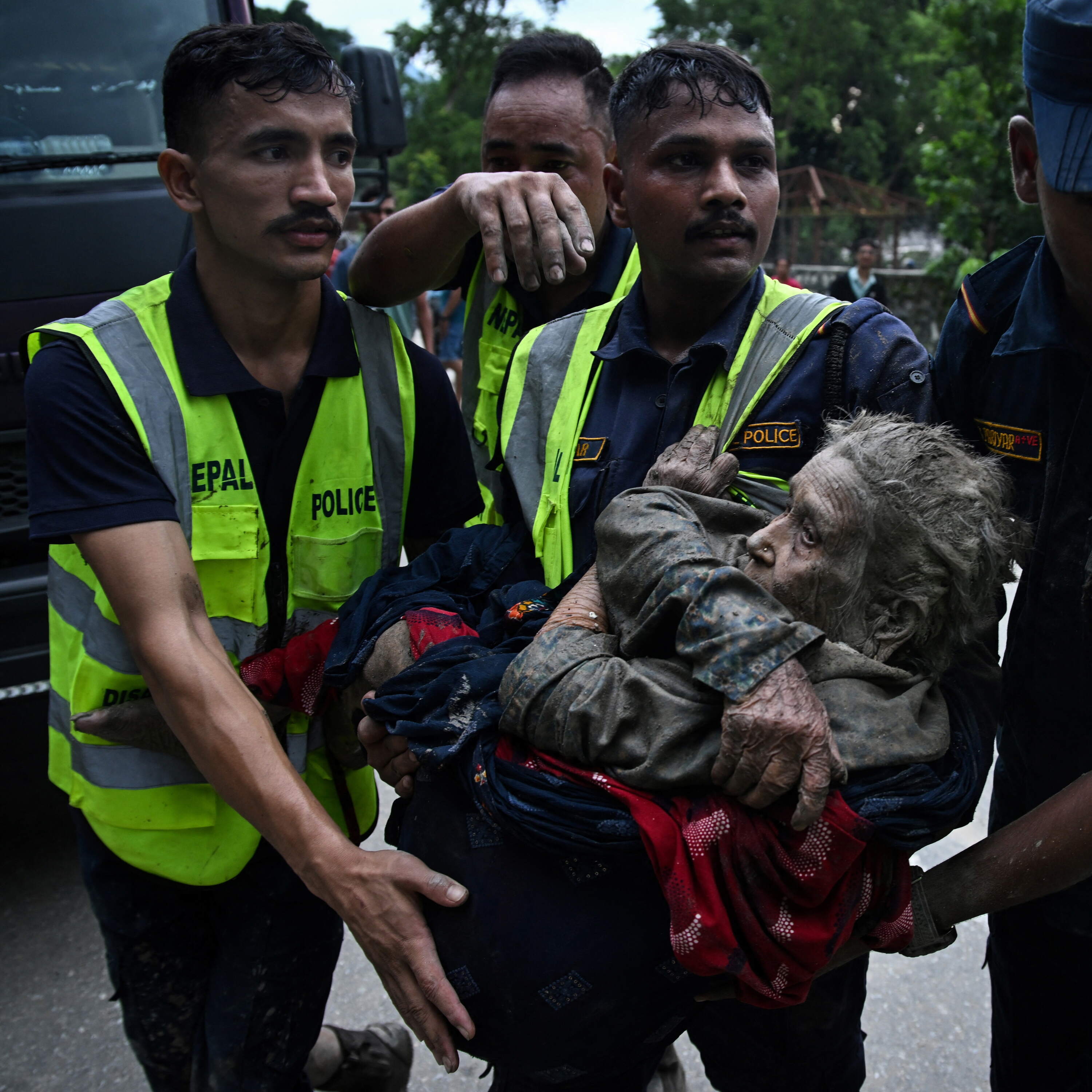
Andy Tapa describes rescue flights to stranded survivors amid destroyed communities and terrain that made reaching people extraordinarily difficult.
The brief
Flash floods along the Tibet-Nepal border killed or left hundreds missing, while rescuer Andy Tapa described stranded survivors and communities cut off by the mountains.
Julia Simon explains that a likely glacier collapse triggered the disaster, linking shrinking glaciers and thawing permafrost to increasingly unstable Himalayan terrain.
The episode’s central tension is practical and political: stronger flood alerts could protect people now, but only fossil-fuel reductions address the warming driving the risk.
Andy Tapa’s account of rescue flights through destroyed mountain communities makes the remoteness of the disaster—and the limits of emergency response—impossible to ignore.
Nepal’s warning system was not prepared for this flood, underscoring how adaptation can reduce casualties without replacing the need to slow global warming.
Featuring
 Nepal
Nepal Tibet
TibetListen to the full episode and explore every guest, topic, and moment on PodLume.