
Sep 23, 2026 · 26 min
High rates test housing while bonds underpin the economy
Tension grows in the housing market
The episode connects softer housing demand and rising government financing costs to the financial system’s deeper dependence on bonds.
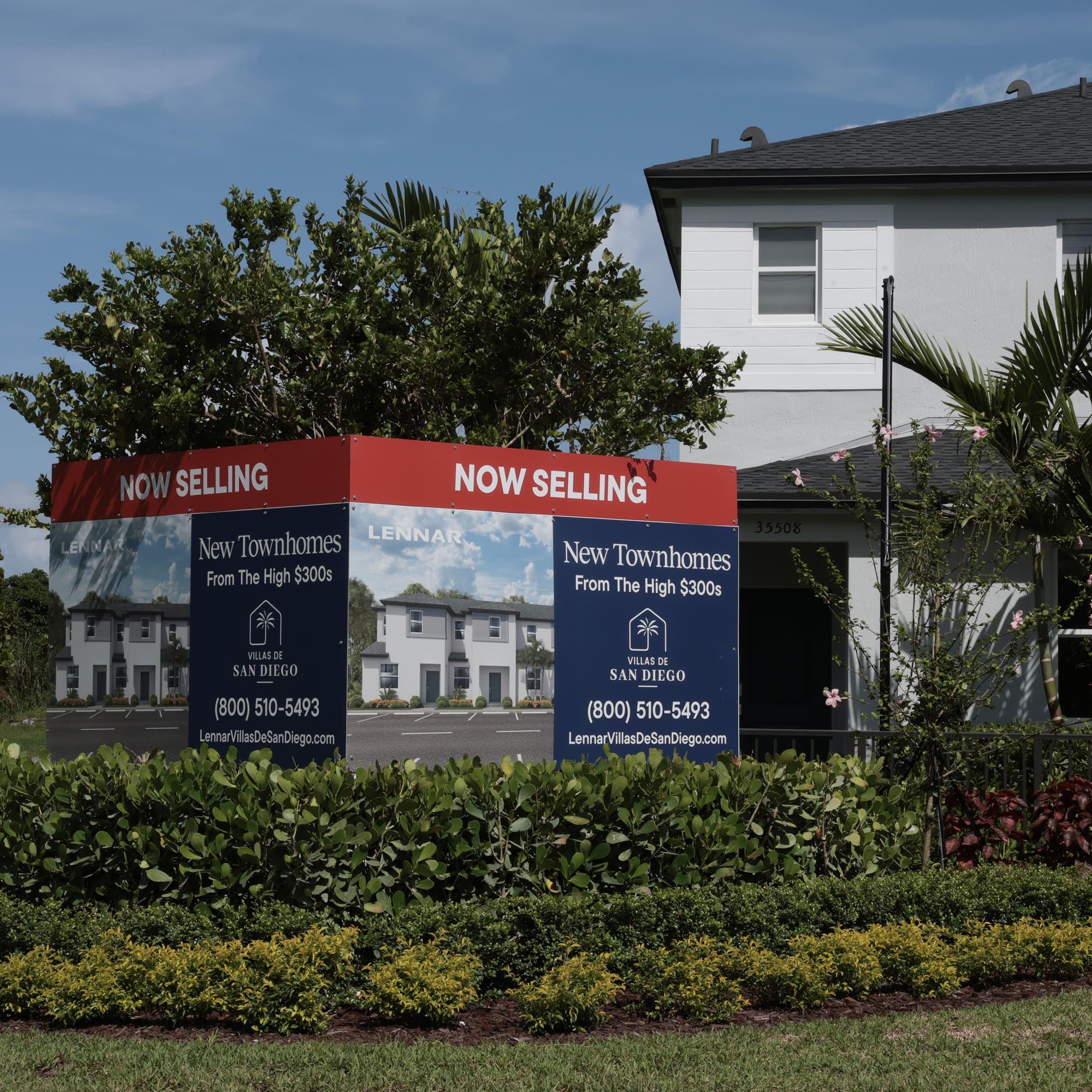
- 1Mortgage rates above 7% are weakening demand, increasing listings, slowing price growth, and discouraging new construction.
- 2Robin Wigglesworth argues bonds quietly finance infrastructure, governments, wars, and the global economy, making market disruptions widely consequential.
- 3Running, concert residencies, and Nashville hot chicken show businesses finding growth while elevated costs and supply pressures persist.
Don't miss
Robin Wigglesworth describes attending the 400th birthday of a Dutch waterworks bond that still pays interest.
The brief
Mortgage rates above 7% are cooling housing demand: listings are rising, price growth is slowing, and builders have less reason to start new homes.
Financial Times correspondent Robin Wigglesworth explains why bonds matter far beyond Wall Street, financing infrastructure, governments, wars, and the global economy.
Wigglesworth recounts a 400-year-old Dutch waterworks bond that still pays interest, turning an obscure instrument into a tangible link between past and present.
The episode follows growth bets in running, concert residencies, and Nashville hot chicken, while businesses still face elevated input prices and supply-chain problems.
The through line is resilience with limits: activity remains strong, but expensive money and financing costs are reshaping housing, government budgets, and consumer businesses.
Featuring
 Robin Wigglesworth
 A Fabulous Debt
 United States
 Chin Chin
Books & mentions
Listen to the full episode and explore every guest, topic, and moment on PodLume.