
Sep 16, 2026 · 43 min
Founders who plan their exit build freer, more valuable companies
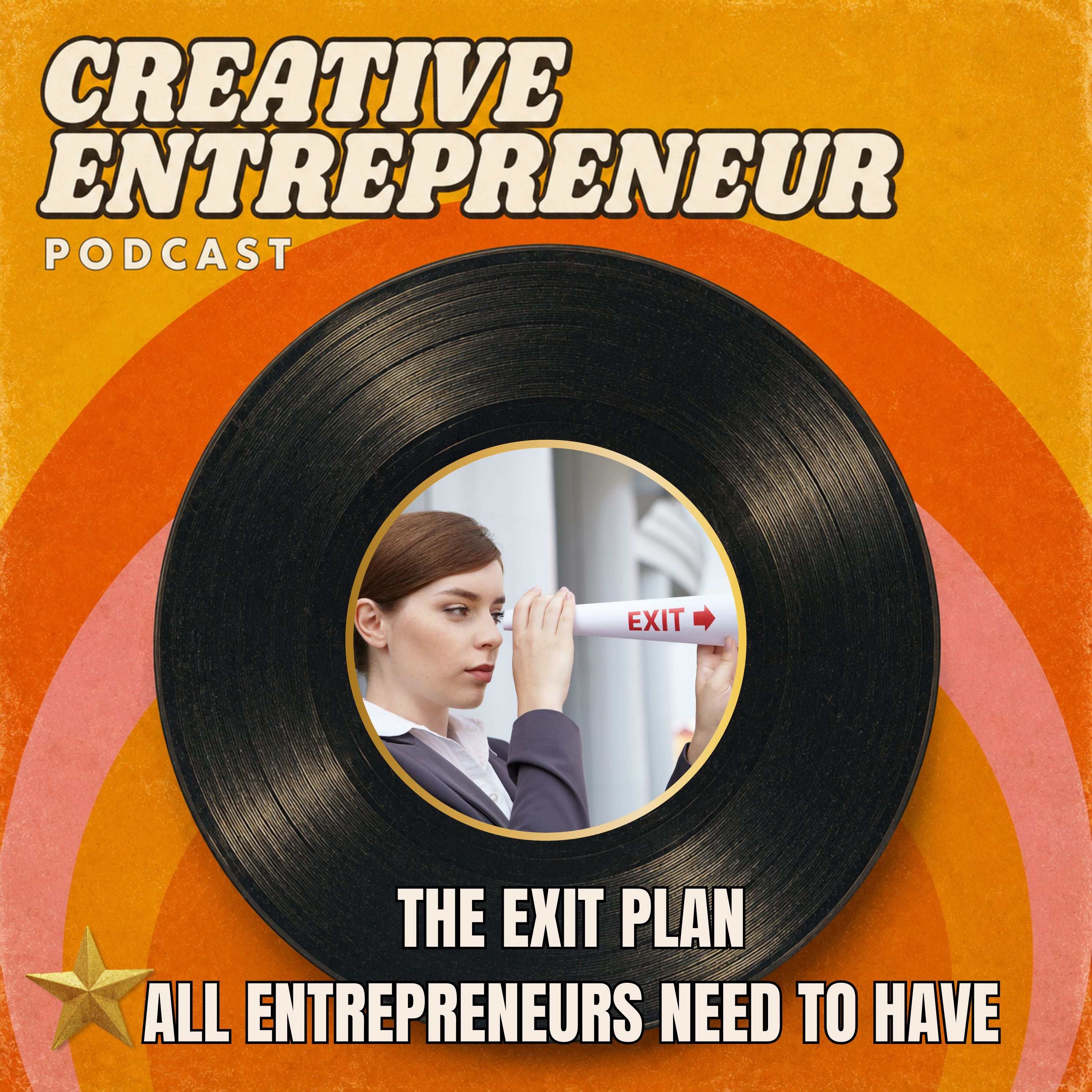
The Exit Plan: How To Sell Your Business Before You Start Your Business with Dominick Domasky and Julie Lokun
The episode argues that treating an exit as a day-one design constraint can protect a founder’s time, family life, and company value.
- 1Founders become trapped when businesses depend on their constant intervention and problem-solving.
- 2Hero syndrome blocks employee development, concentrates risk, and makes a company harder to sell.
- 3Structured delegation and multi-tiered leadership can turn an owner-dependent operation into a sellable asset.
Don't miss
Jason Duncan explains how hero syndrome keeps founders rescuing their businesses, stunting employees and putting the company’s future at risk.
The brief
Julie Lokun introduces a reprise conversation with Jason Duncan about a counterintuitive premise: an exit strategy belongs at the beginning of a business, not its end.
The discussion connects authenticity, family, and entrepreneurship, asking whether founders are building lives they value or merely performing success while becoming trapped by their companies.
Jason identifies hero syndrome as the habit of rescuing every problem personally, a pattern that prevents employees from growing and leaves the wider business dangerously dependent on one person.
The hosts debate celebrity authenticity, including Taylor Swift, Travis Kelce, Kim Kardashian, and Will Smith, as a lighter test of how branding shapes public trust.
Jason’s practical answer is structured delegation and a multi-tiered organization that frees founders from daily operations while making the company more resilient and sellable.
Featuring
 Julie Lokun
 Will Smith
 The Fresh Prince of Bel-Air
Listen to the full episode and explore every guest, topic, and moment on PodLume.