
Sep 30, 2026 · 24 min
FBI personnel breach exposes the danger of granular data
Inside the Devastating Hack of the F.B.I.
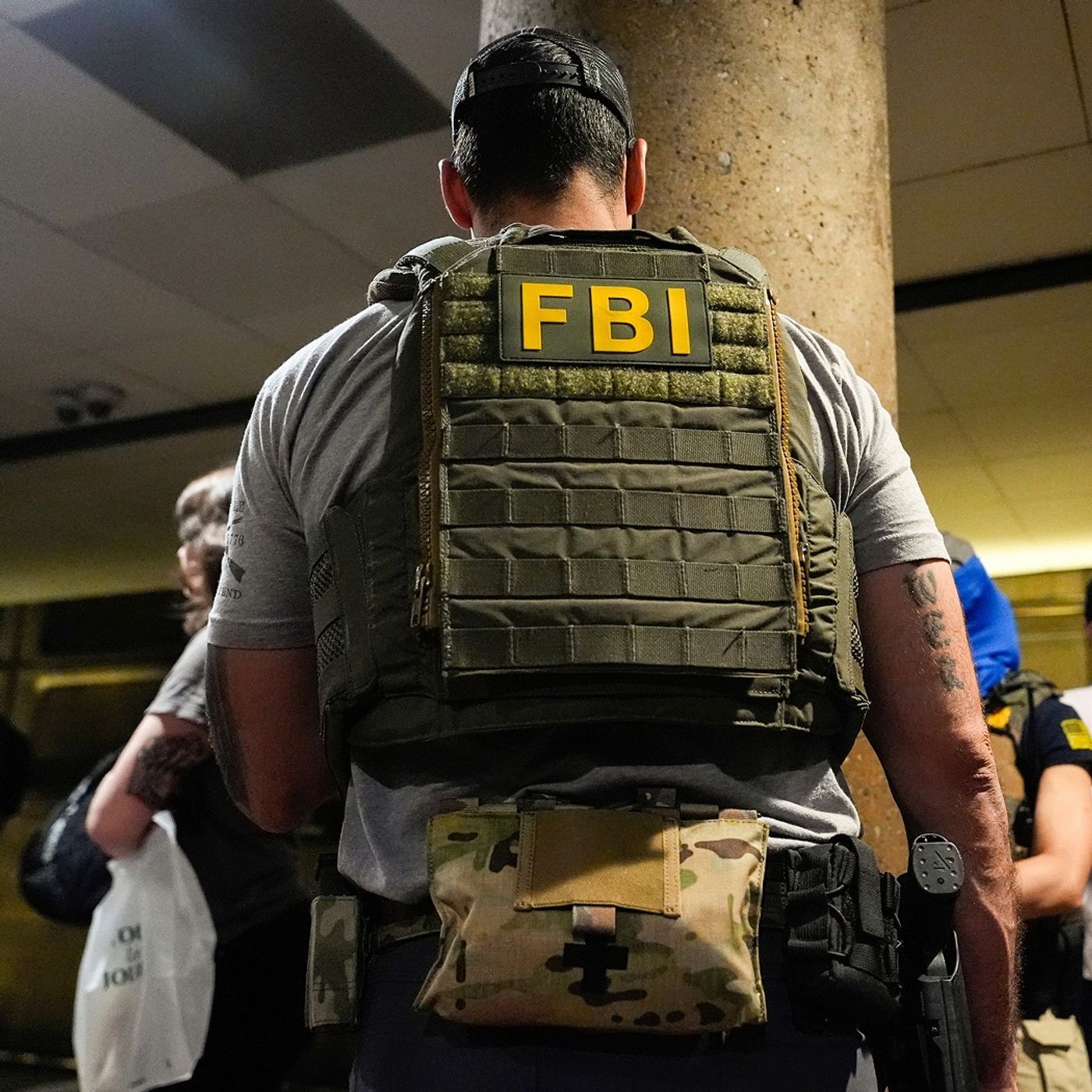
The stolen information could endanger employees and their families even if the hackers never publicly release it.
- 1The breach exposed unusually detailed information about FBI employees, families, assignments and organizational relationships.
- 2Shiny Hunters used extortion tactics and claimed the attack was retaliation for an FBI warning about the group.
- 3An arrest and the hackers’ retreat reduced the immediate leak threat but left the stolen data vulnerable to sale or misuse.
Don't miss
Dustin Volz explains why the hackers’ sudden decision not to publish the data did not end the threat, since they still controlled the stolen files.
The brief
A breach of an FBI personnel system exposed sensitive details about employees, their families, addresses, assignments and organizational relationships—data whose precision may make it more dangerous than a larger hack.
Cybersecurity reporter Dustin Volz explains how Shiny Hunters, a loose criminal collective, stole the information and threatened to publish or sell it unless the FBI met their demands.
The group claimed to have exploited a previously unknown flaw in an Oracle PeopleSoft system, then sent sample data to prove its access while demanding that the FBI retract a warning.
Shiny Hunters abruptly said they would not publish the data, but the retreat offered no guarantee of safety: the files remained in the group’s possession and could reach criminals or foreign intelligence services.
The FBI’s announcement of an arrest in the Netherlands showed investigators could pursue the alleged leader, while The New York Times secured the sample rather than sharing it.
Featuring
Mentioned
 Federal Bureau of Investigation
 The New York Times
Listen to the full episode and explore every guest, topic, and moment on PodLume.