
Sep 21, 2026 · 18 min
Engineers make silicon work inside soft, moving bodies
Bringing hard electronics into soft and squishy bodies
The episode examines how bioengineers turn rigid electronics into temporary, flexible tools that can safely interact with living tissue.
- 1Flexible and dissolvable designs let conventional silicon electronics conform to biological tissue and eventually disappear.
- 2A tiny temporary pacemaker shows how wireless, biodegradable devices can move from difficult research into medical applications.
- 3Rogers argues that progress depends on interdisciplinary collaboration, persistence through failure, and fundamental science tied to practical technologies.
Don't miss
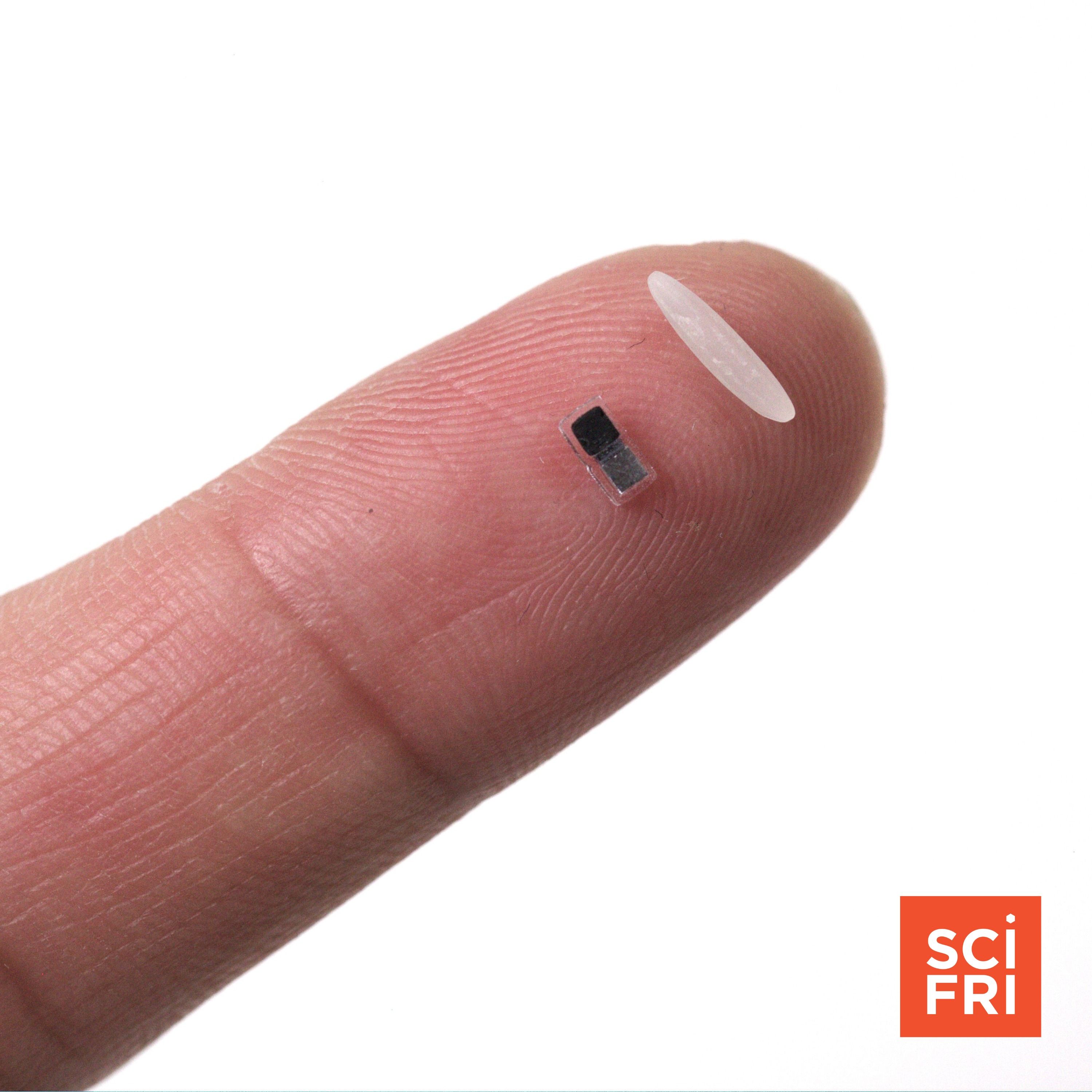
John Rogers recounts developing a tiny temporary pacemaker that can wirelessly support the heart and then dissolve.
The brief
Rigid silicon is built for stable surfaces, while biological tissue bends, moves, and heals. John A. Rogers describes the flexible electronics research aimed at closing that mismatch.
Rogers explains how engineers reshape conventional electronics into soft, curving systems, combining expertise across disciplines while balancing fundamental discovery with application-driven work.
The episode’s standout example is a tiny temporary pacemaker: a dissolvable, wireless device whose development grew from research with roots in military technology.
Clinical needs and engineering instincts do not always align, and failure remains constant. Rogers says experience builds intuition, while student success provides his greatest professional satisfaction.
Drawing on Bell Labs, Rogers makes the case for fundamental science that ultimately supports technologies capable of broadly benefiting people.
Featuring
 Bell Labs
 DARPA
DARPA Northwestern University
Listen to the full episode and explore every guest, topic, and moment on PodLume.