
Sep 2, 2026 · 13 min
Emotional skills can reshape decisions, relationships and health
The science of emotional regulation — and how to do it better
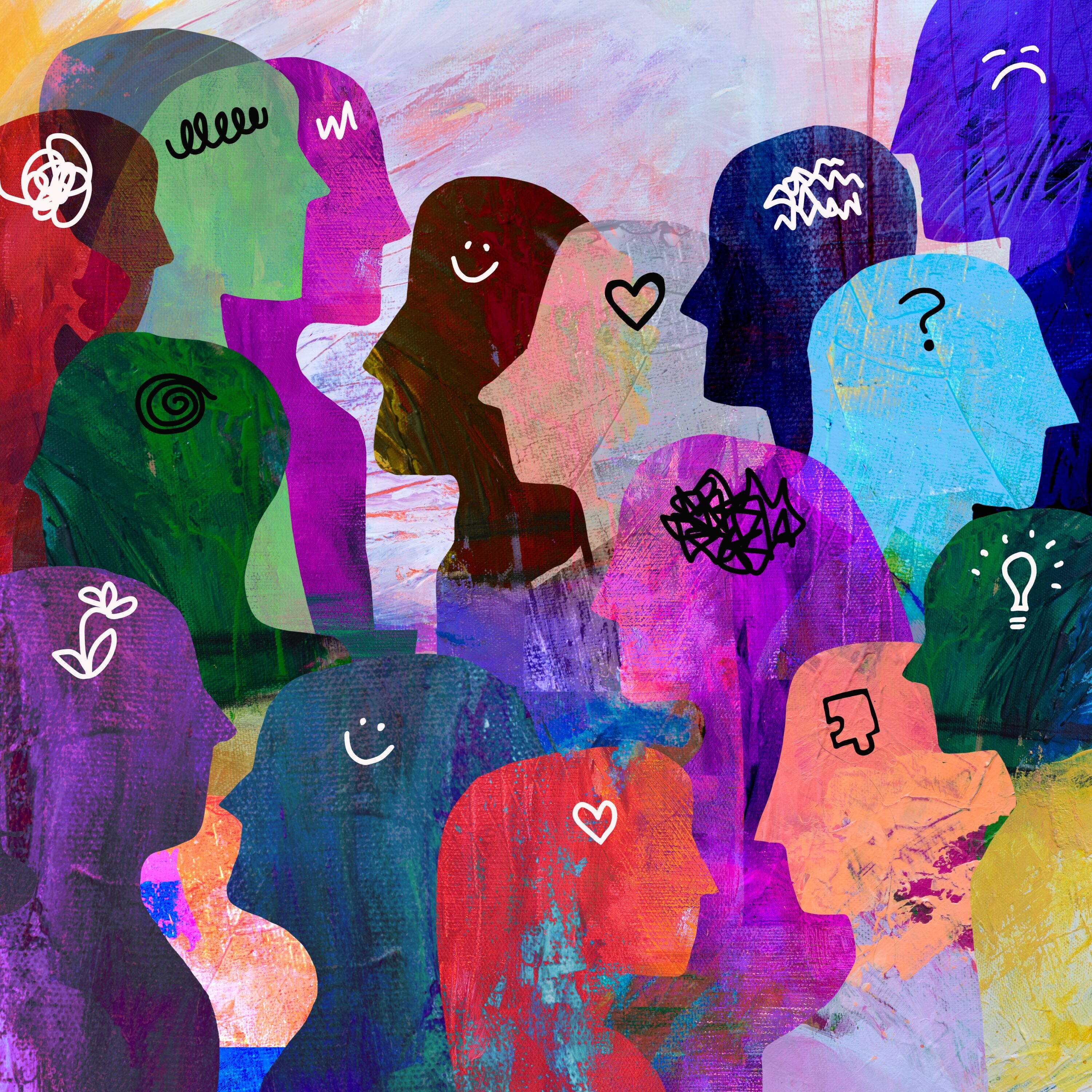
The episode frames emotional regulation as a learnable skill with consequences for judgment, relationships, coping and long-term health.
- 1Emotions respond automatically to changes in the environment or our thinking, shaping the brain, body, decisions and relationships.
- 2Mark Brackett’s RULER framework links recognizing, understanding, labeling, expressing and regulating feelings to wiser responses.
- 3Cultural pressure to suppress men’s emotions can undermine wellbeing, while emotional skills support healthier communication and coping.
Don't miss
Mark Brackett reframes emotional responses as experiments: monitor what happens, assess the result and adjust the approach.
The brief
Emotions are automatic responses to changes in the environment or in our thinking, but their effects reach far beyond the moment—shaping the brain, body, decisions, relationships and long-term health.
Emotion scientist Mark Brackett introduces RULER: recognizing, understanding, labeling, expressing and regulating feelings. The framework connects self-awareness with social awareness and more deliberate responses.
The conversation distinguishes frustration, which follows blocked goals, from anger, which involves perceived injustice, showing why emotional vocabulary matters for understanding reactions.
Brackett treats emotional expression and regulation as partners: acknowledge what is happening, communicate toward a desired outcome, then treat each response as an experiment and adjust.
The episode turns to men’s emotions, challenging expectations of suppression and linking healthier emotional conversations with better coping, communication and a more successful life.
Featuring
 RULER
RULERListen to the full episode and explore every guest, topic, and moment on PodLume.