
Sep 17, 2026 · 26 min
Economic pressure reshapes homes, energy and financial education
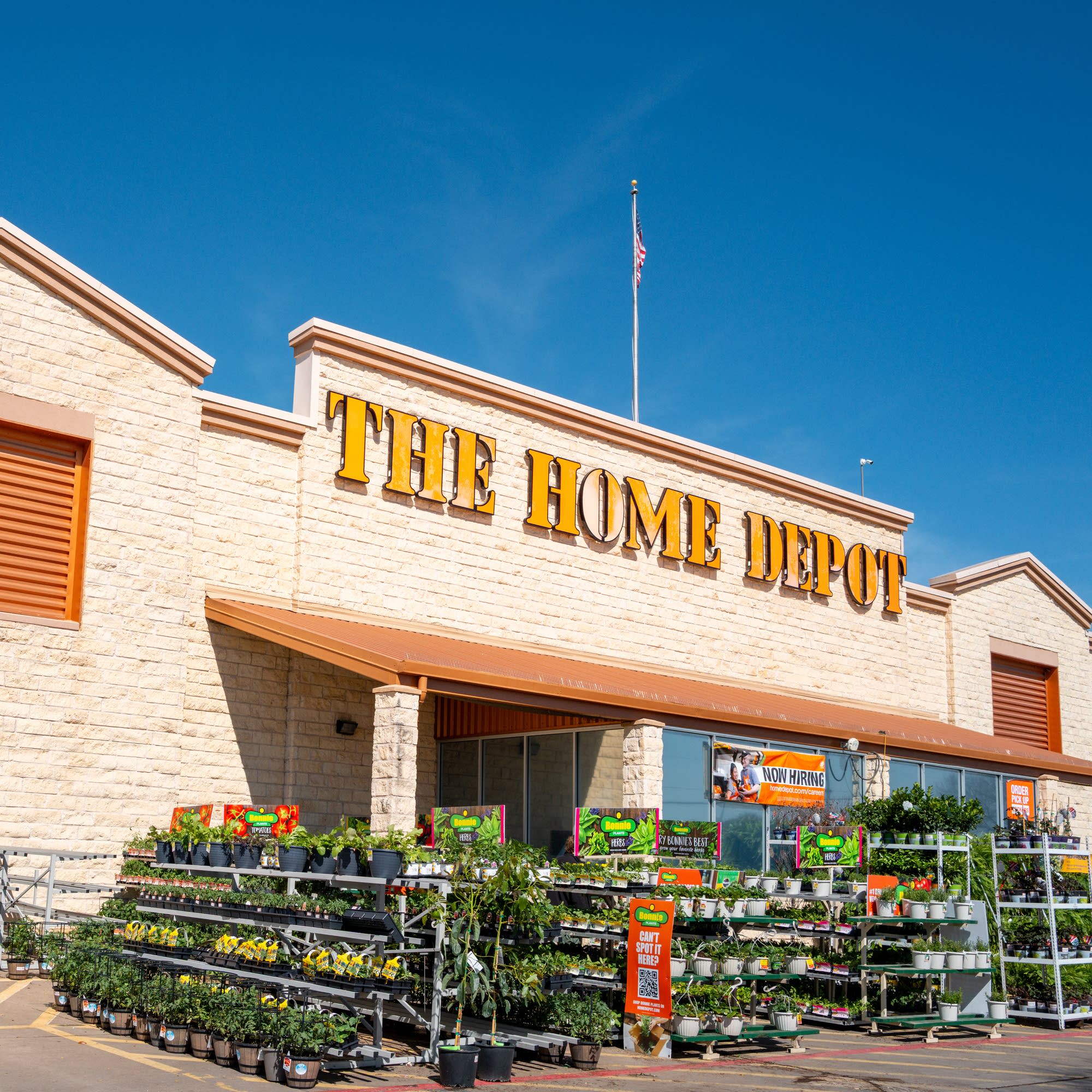
Home improvement stores feel the pinch
The episode connects household cutbacks, community ownership and energy demand to larger questions about how economic change gets measured and managed.
- 1High costs and mortgage rates are pushing homeowners to delay discretionary renovations while essential repairs continue.
- 2Mobile-home residents in Colorado are trying to raise $44.5 million to keep control of their community and limit displacement.
- 3Emerging economies will drive major energy demand, intensifying the tension between energy access and climate goals.
Don't miss
Sunset Park residents explain their effort to raise $44.5 million and buy their mobile-home community before a possible sale displaces them.
The brief
Marketplace opens with a debate over how Federal Reserve Chair Kevin Warsh approaches economic data, and why public statistics remain essential for measuring disparities.
Rising energy demand in emerging economies could add consumption equivalent to another China, forcing a difficult balance among energy poverty, fossil fuels and climate goals.
Weak building-material sales show homeowners postponing discretionary renovations as costs and mortgage rates rise, while essential repairs and home sales still support demand.
At a Baltimore high school, students test a new AP course combining business and personal finance through simulations covering markets, budgeting, accounting and entrepreneurship.
Residents of Sunset Park in Loveland, Colorado, are seeking $44.5 million to buy their mobile-home community, resisting displacement and rising land rents through collective ownership.
A Utah vacation-rental owner describes inheriting his family business as changing travel spending and fewer international visitors reshape the economics of tourism.
Mentioned
 Kevin Maxwell Warsh
Listen to the full episode and explore every guest, topic, and moment on PodLume.