
Aug 28, 2026 · 1h 10m
Dolly Parton turns women’s suffering into a language of hope
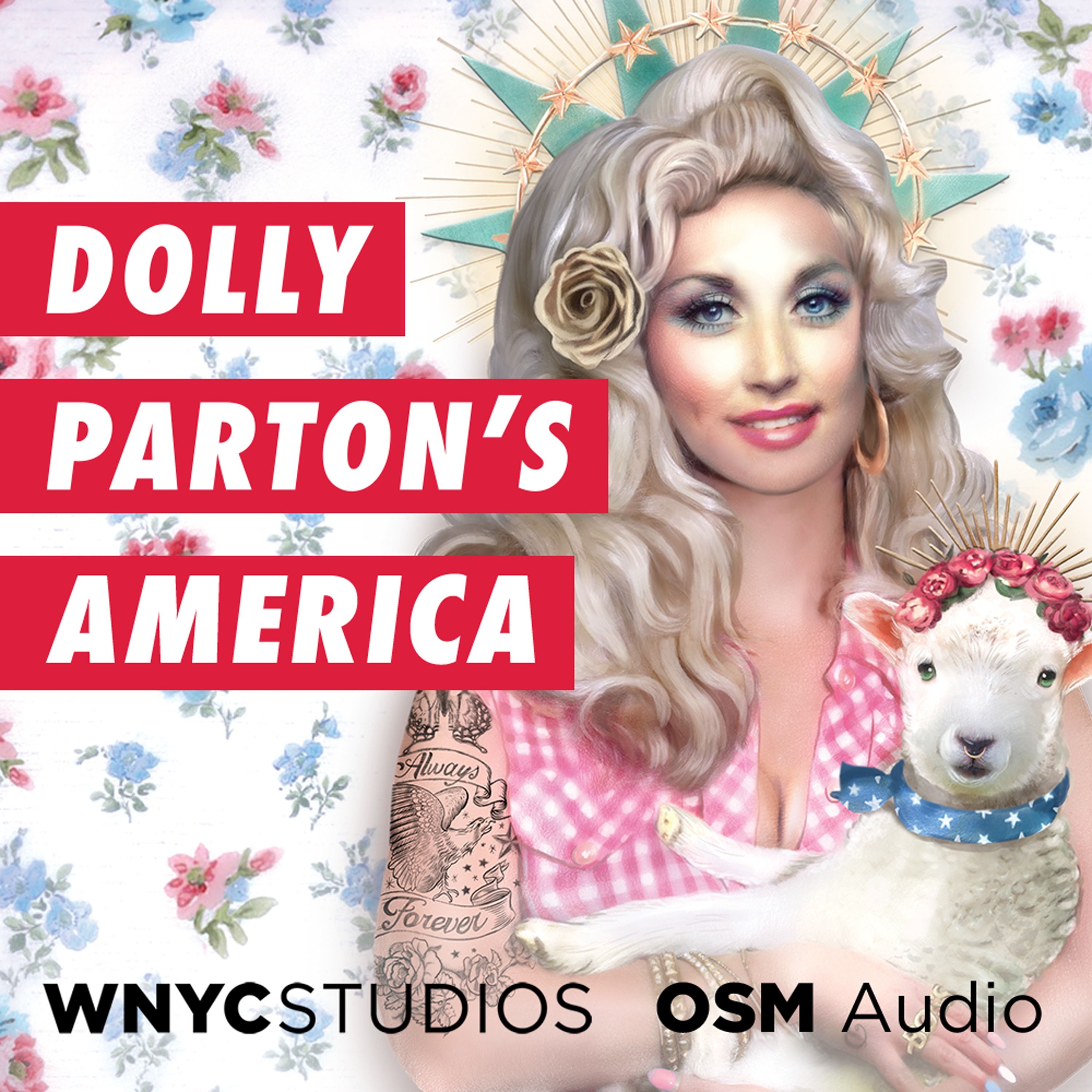
Dolly Parton's America: Sad Ass Songs
The episode examines how Dolly’s songs document abuse, abandonment, poverty, and grief while challenging the idea that feminist practice requires the label.
- 1Dolly’s early songs gave vivid voice to women confronting abuse, abandonment, pregnancy, institutionalization, and grief.
- 2Appalachian murder-ballad traditions shaped a songwriting language that transformed stories of violence into popular testimony.
- 3Dolly’s path from suffering toward independence and hope complicates the divide between feminist labels and feminist lives.
Don't miss
Grandma Betty’s story reveals how “Coat of Many Colors” gave emotional form to a life marked by poverty, abusive marriages, and hard labor.
The brief
Jad Abumrad revisits Dolly Parton’s America through the singer’s early “sad ass songs,” which made abuse, abandonment, shame, and grief impossible to dismiss as private troubles.
Dolly’s public image invited jokes about appearance, but the episode argues that her humor helped conceal a songwriter documenting women’s hardest realities with unusual precision.
The trail runs through Appalachian murder ballads: Paul Slade connects “The Knoxville Girl” to an English song about a real killing and its life as popular journalism.
Listeners and critics trace Dolly’s movement from misery toward anger, independence, and hope, with “Light of a Clear Blue Morning” becoming a survival song.
Sarah Smarsh and her grandmother Betty show how Dolly’s music can enact feminism without claiming the word, especially for women shaped by poverty and hard labor.
 Dolly Parton
 Sarah Smarsh
 Kansas City
Books & mentions

Unprepared to Die
A grounded next read on the real crimes and cultural history behind American murder ballads.

Heartland
A memoir that extends the episode’s examination of class, poverty, rural America, and feminist practice.

Pilgrimage to Dollywood
A cultural study of Dolly Parton and the Tennessee landscape surrounding her public meaning.
Listen to the full episode and explore every guest, topic, and moment on PodLume.