
Oct 5, 2026 · 9 min
Digital payments make friendship debts harder to settle
The proper etiquette of the Venmo nudge
The episode turns a minor social annoyance into a question of boundaries, respect, and the risks of informally lending money to friends.
- 1Easy payment apps remove transfer friction but can make people less attentive to repaying shared expenses.
- 2Etiquette coach William Hanson recommends waiting about 48 hours, then sending a clear and direct reminder.
- 3Covering group costs is effectively lending money, so people should front only what they can afford to lose.
Don't miss
The closing reveal that Nate Silver still owes Darian $50 from a public podcast bet turns the episode’s abstract advice into a memorable real-world example.
The brief
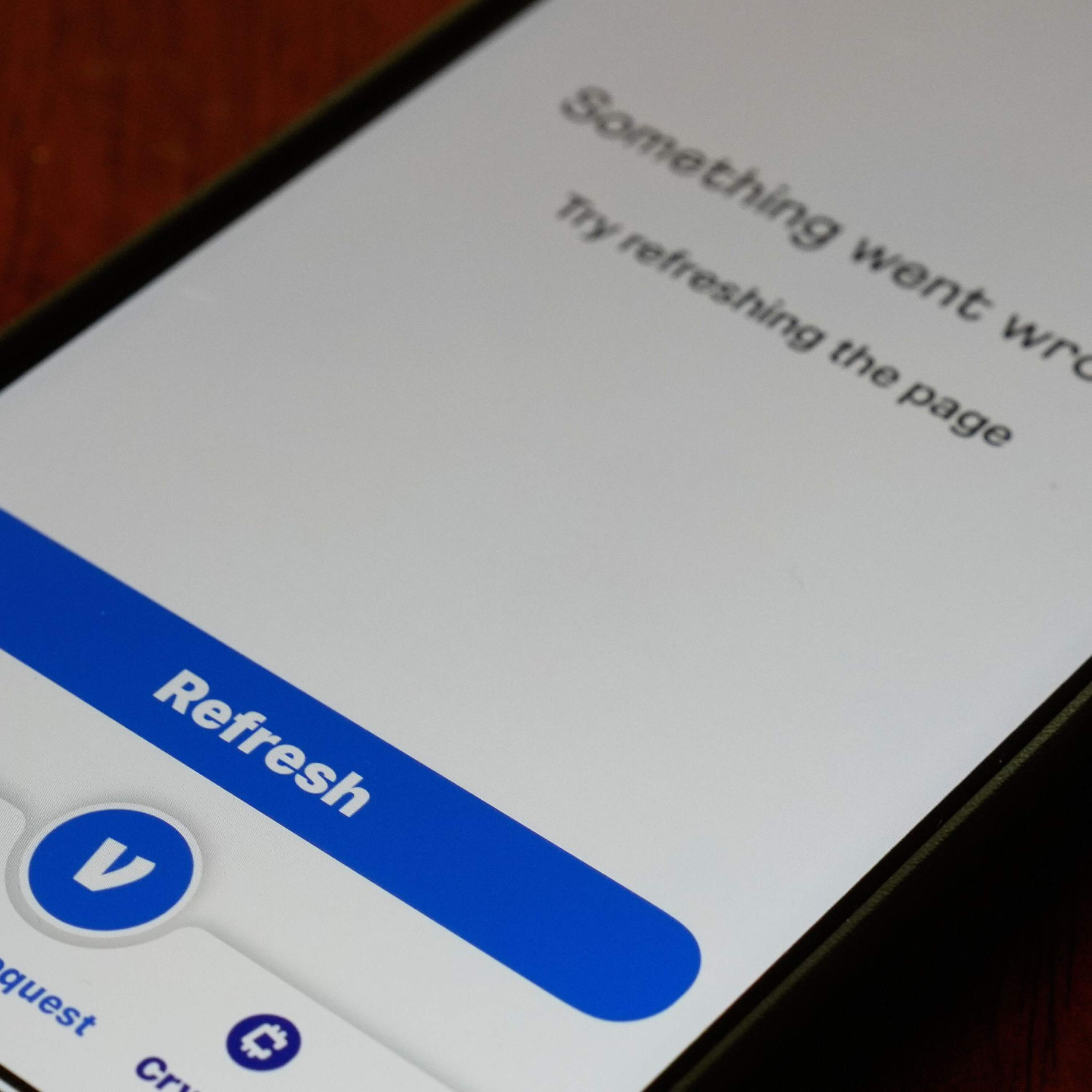
Venmo makes splitting expenses nearly effortless, yet friends can still leave repayment requests unresolved for days or longer, turning a technical fix into a social friction point.
British etiquette coach William Hanson says effortless digital payments can encourage sloppy repayment habits; his practical rule is to wait about 48 hours before sending a direct reminder.
Attorney Eric Doan describes carrying more than $300 in unpaid group expenses and feeling resentful when friends spend on entertainment while ignoring what they owe.
The advice is firm but not punitive: state the expectation clearly, stop covering future tabs, and recognize that etiquette does not require becoming a pushover.
The episode’s governing principle is financial as much as social: treating a shared tab as a loan means fronting only money one can afford not to recover.
A final example keeps the issue from becoming abstract: Nate Silver still owes Darian $50 from a public podcast bet.
Featuring
 William Hanson
Mentioned
 Venmo
Venmo Nate Silver
 Planet Money
Listen to the full episode and explore every guest, topic, and moment on PodLume.