
Aug 12, 2026 · 8 min
Democratic primaries expose a fight over change and experience
Democrats want to take back Congress. Did Tuesday’s primaries reveal a path forward?
The results offer an early test of whether Democrats can convert voter frustration with established leadership into a viable midterm strategy.
- 1Progressive victories in Minnesota and Michigan, alongside a narrow moderate win in Wisconsin, produced no single Democratic direction.
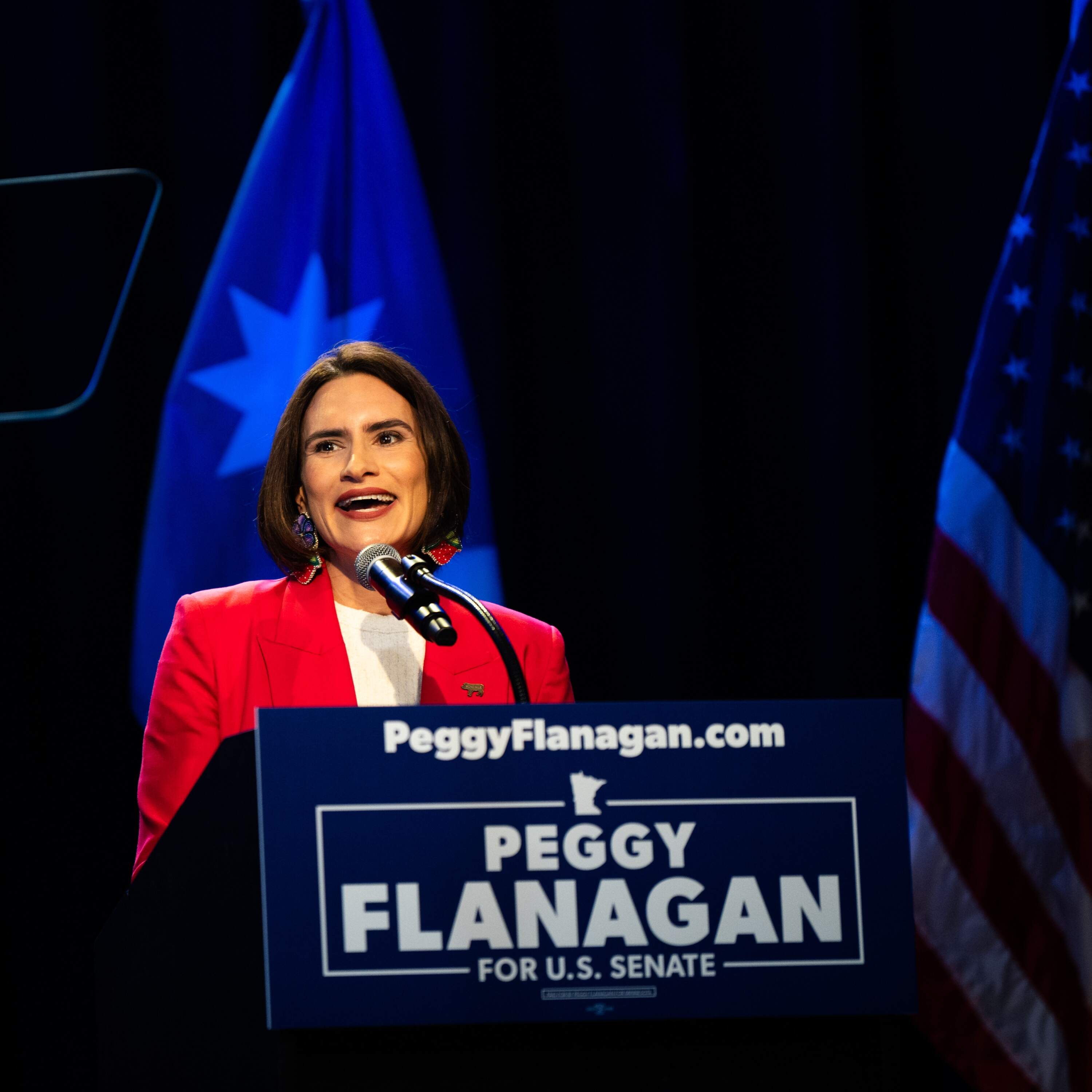
- 2Peggy Flanagan’s Minnesota victory showed how immigration policy can turn dissatisfaction with an incumbent into a demand for a stronger progressive alternative.
- 3Luke Bronin’s challenge to John Larson sharpened the party’s generational debate over renewal, experience, and institutional knowledge.
Don't miss
Amanda Littmann connects the Minnesota, Wisconsin, and Michigan results into a broader voter demand for new voices and bolder ideas.
The brief
Tuesday’s primaries in Wisconsin, Minnesota, Michigan, and Connecticut offered Democrats competing signals: progressive candidates won some contests, while a moderate narrowly prevailed in Wisconsin.
Amanda Littmann argues that David Crowley’s Wisconsin victory over Francesca Hong and Peggy Flanagan’s Minnesota win together reveal voters weighing bolder positions against general-election viability.
Flanagan’s challenge to Angie Craig turned immigration policy into a test of Democratic identity, helping her present herself as a stronger progressive alternative.
The results point to a broader appetite for new voices and a break from established leadership, even where progressive candidates fell short.
Luke Bronin’s defeat of 14-term Congressman John Larson brings the same question into focus: whether experience still outweighs the case for generational change.
Featuring
 Peggy Flanagan
 Francesca Hong
 Angie Craig
 Run for Something
Listen to the full episode and explore every guest, topic, and moment on PodLume.