
Aug 20, 2026 · 1h 2m
Daily choices shape the brain decades before decline appears
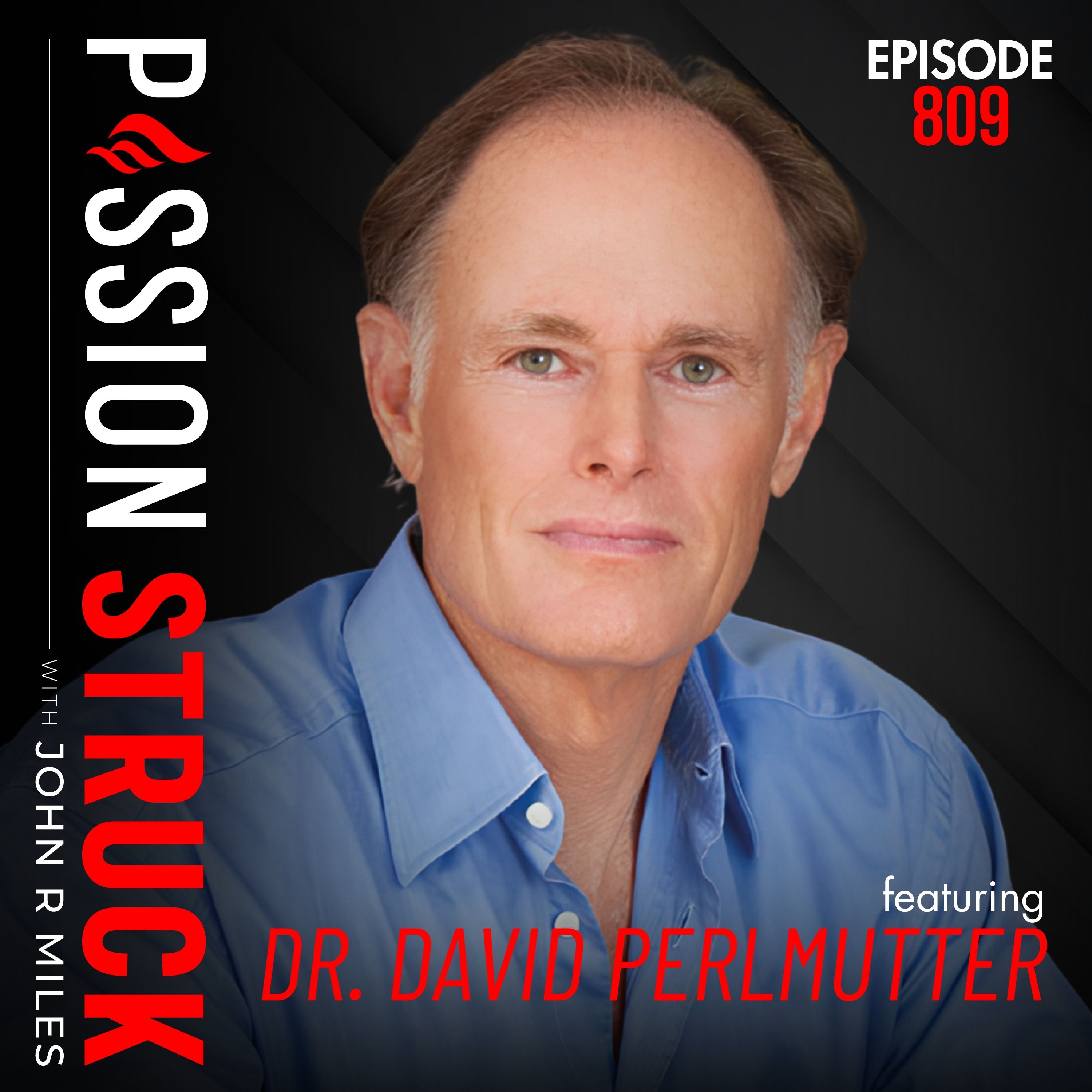
How to Change Your Brain's Destiny Before It's Too Late | Dr. David Perlmutter – EP 809
The conversation reframes cognitive decline as a process influenced long before symptoms, while highlighting the limits of prescription-centered medical care.
- 1Microglia translate metabolic, inflammatory, and environmental signals into conditions that can protect or damage neurons.
- 2Poor sleep, alcohol, ultra-processed food, stress, and inactivity can affect brain health through interconnected metabolic pathways.
- 3Preventive habits may influence dementia risk decades before old age, but clinical practice still struggles to prioritize them.
Don't miss
Perlmutter explains how even one night of non-restorative sleep can increase inflammation and blood sugar while impairing insulin function and microglial balance.
The brief
John R. Miles and neurologist David Perlmutter examine why cognitive decline may begin decades before diagnosis, focusing on the brain’s immune cells and the metabolic signals that shape them.
Perlmutter describes microglia as the brain’s immune system: they can support neurons or become destructive when exposed to inflammation, oxidative stress, bacterial products, and metabolic dysfunction.
The discussion links one night of poor sleep, alcohol, ultra-processed food, stress, and limited exercise to changes in inflammation, blood sugar, insulin function, and brain signaling.
A central tension emerges between evidence for prevention and a medical system built around short appointments and prescriptions rather than sustained lifestyle care.
The episode’s clearest takeaway is that the brain continuously responds to its environment, making daily choices relevant to long-term cognitive health well before old age.
Featuring
 Ed Perlmutter
 The Mattering Effect
Books & mentions

Brain Defenders
It develops the episode’s central account of microglia and the brain’s response to lifestyle and metabolic signals.

Grain Brain
It extends the discussion of carbohydrates, ultra-processed foods, and their proposed relationship to brain health.

Drop Acid
It follows the episode’s discussion of uric acid and metabolic contributors to neurological disease.
Listen to the full episode and explore every guest, topic, and moment on PodLume.