
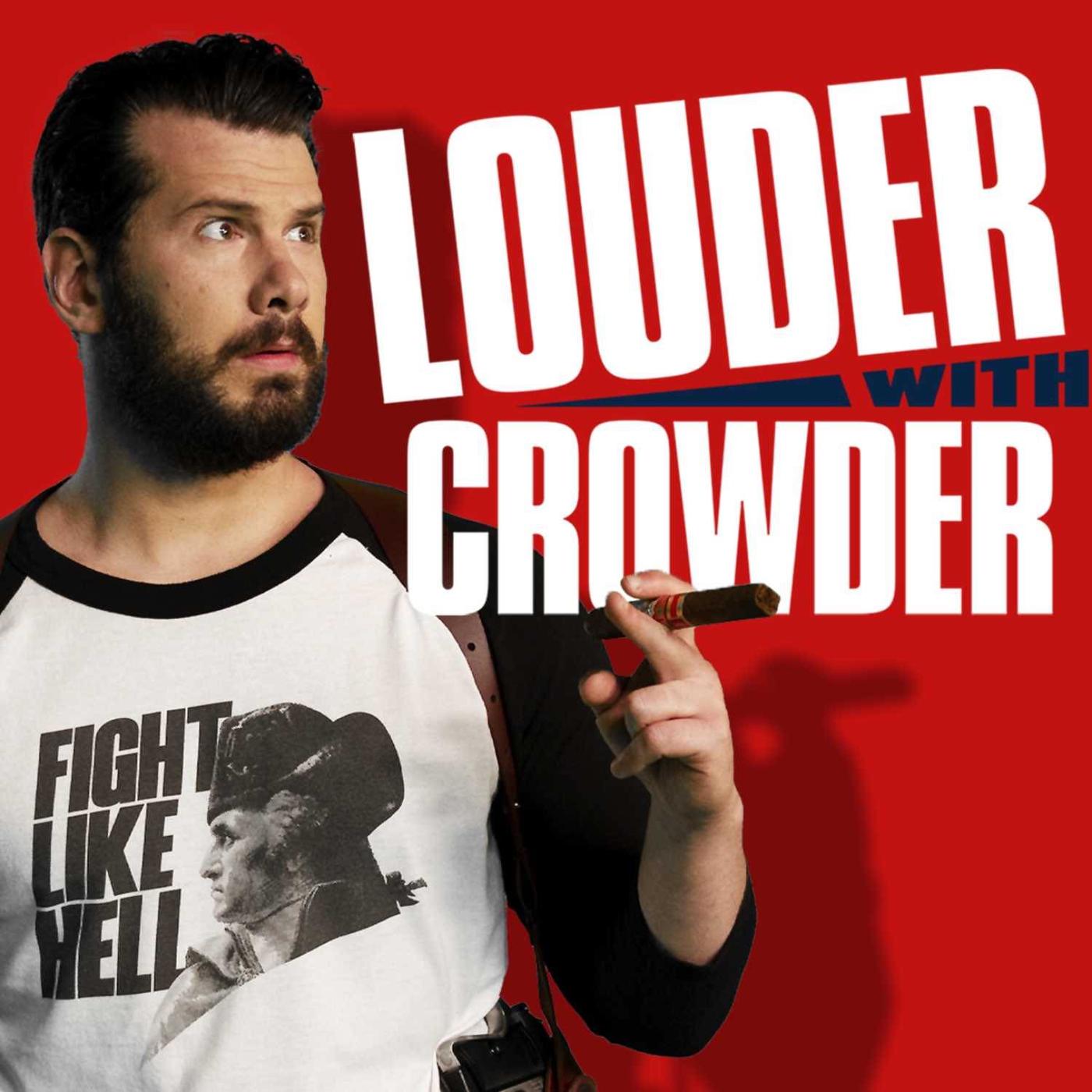
Aug 19, 2026 · 1h 4m
Crowder turns primary results into a warning about right-wing fracture
The Right is Eating Itself Alive & They are Laughing at Us
The episode tests whether online influence, polling, and factional conflict are distorting conservatives’ understanding of electoral power.
- 1Crowder argues that primary results expose a widening gap between online political energy and actual voters.
- 2The discussion treats polling as a force that can shape political narratives, not merely measure public opinion.
- 3The episode links right-wing infighting and alleged foreign influence to a broader call for more constructive debate.
Don't miss
Crowder’s discussion of polling as political propaganda crystallizes the episode’s broader argument that political narratives can shape perceived reality.
The brief
Steven Crowder opens with health care politics before the episode settles on its central question: what do primary results reveal about the right’s real strength?
Florida results and Democratic Socialist candidates drive a debate over whether social media, prediction markets, and online enthusiasm reflect voters—or create a misleading political reality.
Crowder then turns polling into a political weapon, arguing that surveys can direct public opinion; the Texas Senate race becomes a test case for that claim.
The sharpest conflict arrives in a discussion of right-wing infighting, alleged foreign influence, Israel, Islam, and online bots allegedly encouraging conservatives to turn against one another.
The episode closes by urging good-faith discussion across ideological differences, while introducing a new argument about Shane Gillis, Mark Normand, and communism’s renewed appeal.
Featuring
 Donald John Trump
 Dan Bilzerian
 Candace Owens
 Hasan Piker
 James Talarico
Listen to the full episode and explore every guest, topic, and moment on PodLume.