
Oct 1, 2026 · 30 min
Congress moves to cap college sports spending
Why Washington Is Trying to Rein In College Sports
The proposed rules could bring financial order to college athletics while limiting how freely athletes transfer and negotiate compensation.
- 1NIL deals and relaxed transfers have turned college athletics into a fluid, expensive labor market.
- 2The Protect College Sports Act would allow one immediate transfer and cap school-level spending at $48 million.
- 3Supporters seek stability, while critics say the bill restricts athletes without addressing coaching, facilities, and recruiting costs.
Don't miss
Mandel lays out how the proposed $48 million cap would count outside NIL deals, directly targeting boosters and donor collectives.
The brief
Since athletes gained the right to earn money from name, image, and likeness deals, college sports have shifted from scholarship-based competition toward a volatile marketplace.
Stewart Mandel explains how relaxed transfer rules, agents, school personnel departments, and donor collectives created a form of college free agency with bidding throughout the season.
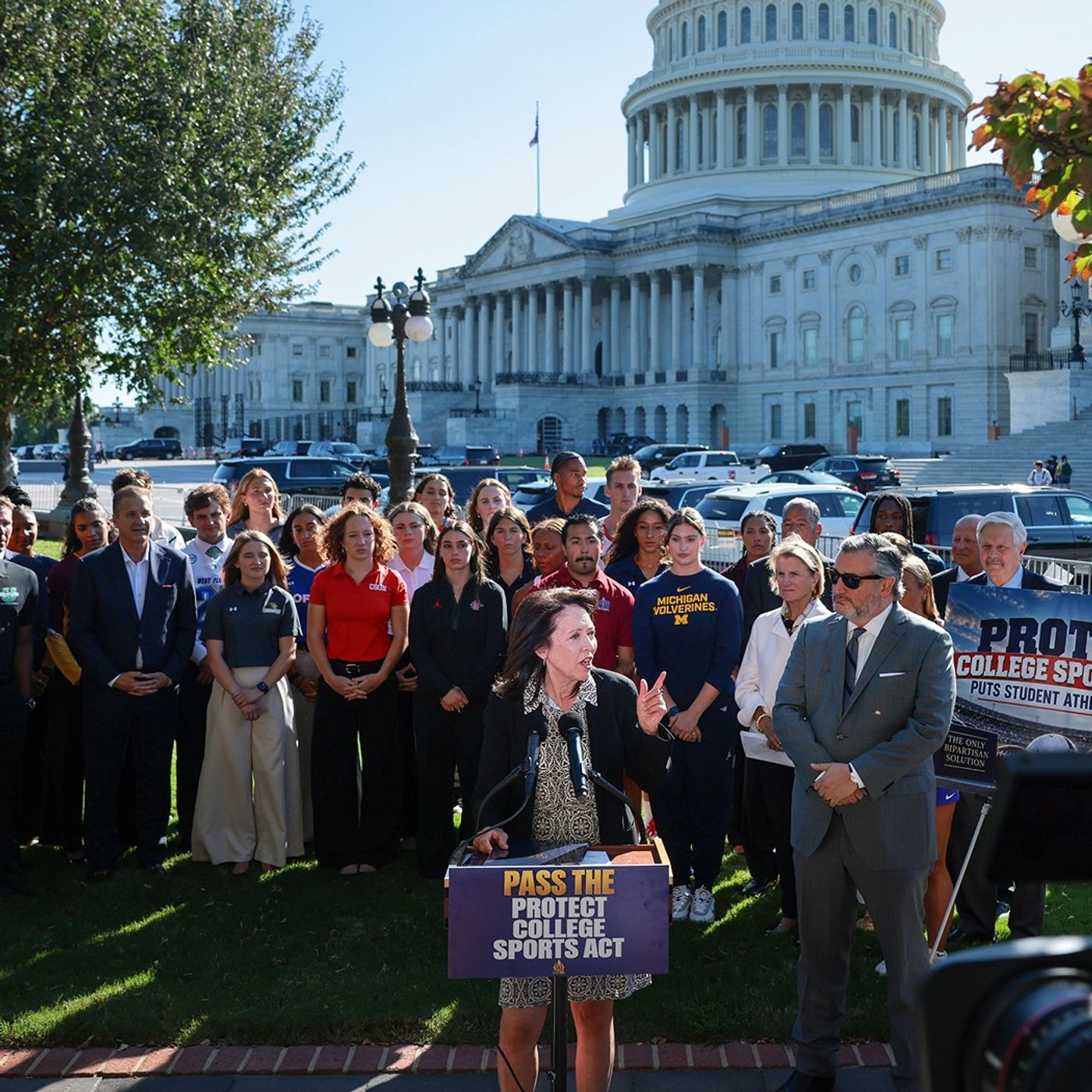
The Protect College Sports Act would limit athletes to one immediate transfer and cap school-level spending at $48 million, including outside NIL deals.
The bill’s bipartisan support masks a labor dispute: critics say it controls athletes’ compensation while leaving coaching salaries, facilities, and recruiting expenses untouched.
The upheaval has not made the games less compelling; Mandel argues transfers have given more teams a chance to compete even as lawmakers try to restore order.
Featuring
 David Mandel
 United States Congress
 Ted Cruz
 Maria Cantwell
Listen to the full episode and explore every guest, topic, and moment on PodLume.