
Aug 20, 2026 · 60 min
Colossal Biosciences uses genetic engineering and AI to revive extinct species
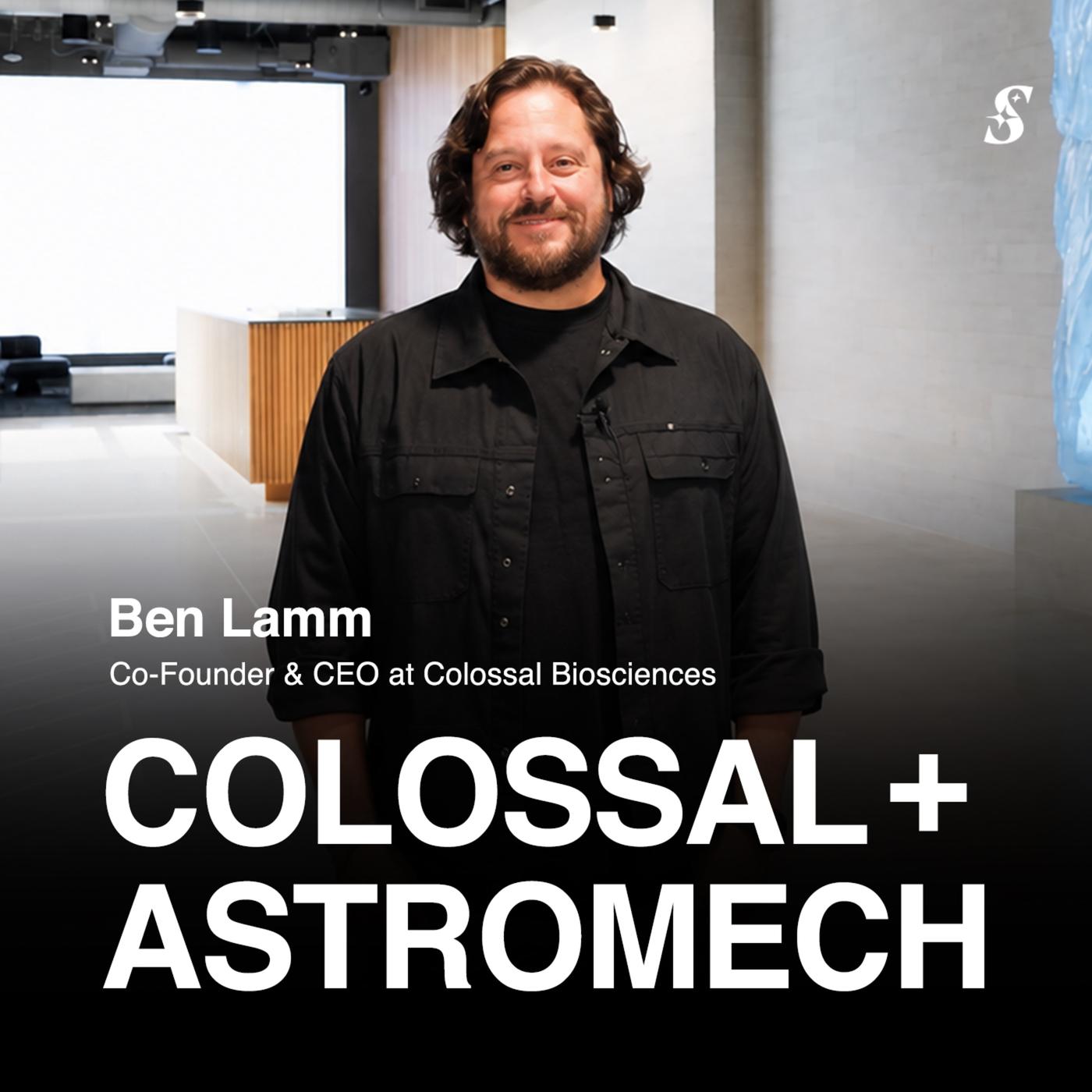
Ben Lamm CEO of $12B Colossal Biosciences & $3.8B Astromech
As global biodiversity declines at an alarming rate, genetic engineering and automated cloning labs are emerging as radical new tools for ecological conservation and restoration.
- 1Genetically modified woolly mice serve as the critical testing ground for phenotypes on the path to reviving the woolly mammoth.
- 2Proprietary de-extinction technologies are spinning out into highly valuable commercial entities like Astromech.
- 3Colossal is leveraging computer vision and AI to automate complex embryology processes in their cloning laboratories.
Don't miss
Ben Lamm reveals the genetically modified woolly mice, explaining their role as a testing ground for reviving the woolly mammoth.
The brief
Colossal Biosciences is pioneering de-extinction, using gene-editing and AI to bring back lost species, starting with genetically modified woolly mice as a crucial proof of concept on the path to reviving the woolly mammoth.
CEO Ben Lamm argues that de-extinction is not a replacement for modern conservation, but a necessary technological toolkit to combat catastrophic global biodiversity loss and restore damaged ecosystems.
The underlying technology is spinning out into multi-billion dollar businesses like Astromech, proving that what Lamm calls civilization tech can generate massive commercial value while solving global ecological crises.
To scale their efforts, the company is integrating computer vision and AI to automate complex embryology processes in their cloning labs, while maintaining strict ethical boundaries against human genetic research.
Featuring
 Ben Lamm
 Biodiversity loss
 Digital twin
Books & mentions
Sourcery
Explore more deep-tech founder interviews and cutting-edge science tours with Molly O’Shea.
Listen to the full episode and explore every guest, topic, and moment on PodLume.