
Oct 1, 2026 · 8 min
Colleges redesign degrees around jobs and AI
New college degrees designed to job-proof graduates
The episode examines what higher education should prioritize as students, employers, and institutions weigh career preparation against the liberal arts.
- 1UT San Antonio’s Health Sciences major pairs specialized coursework with clinical training for healthcare careers.
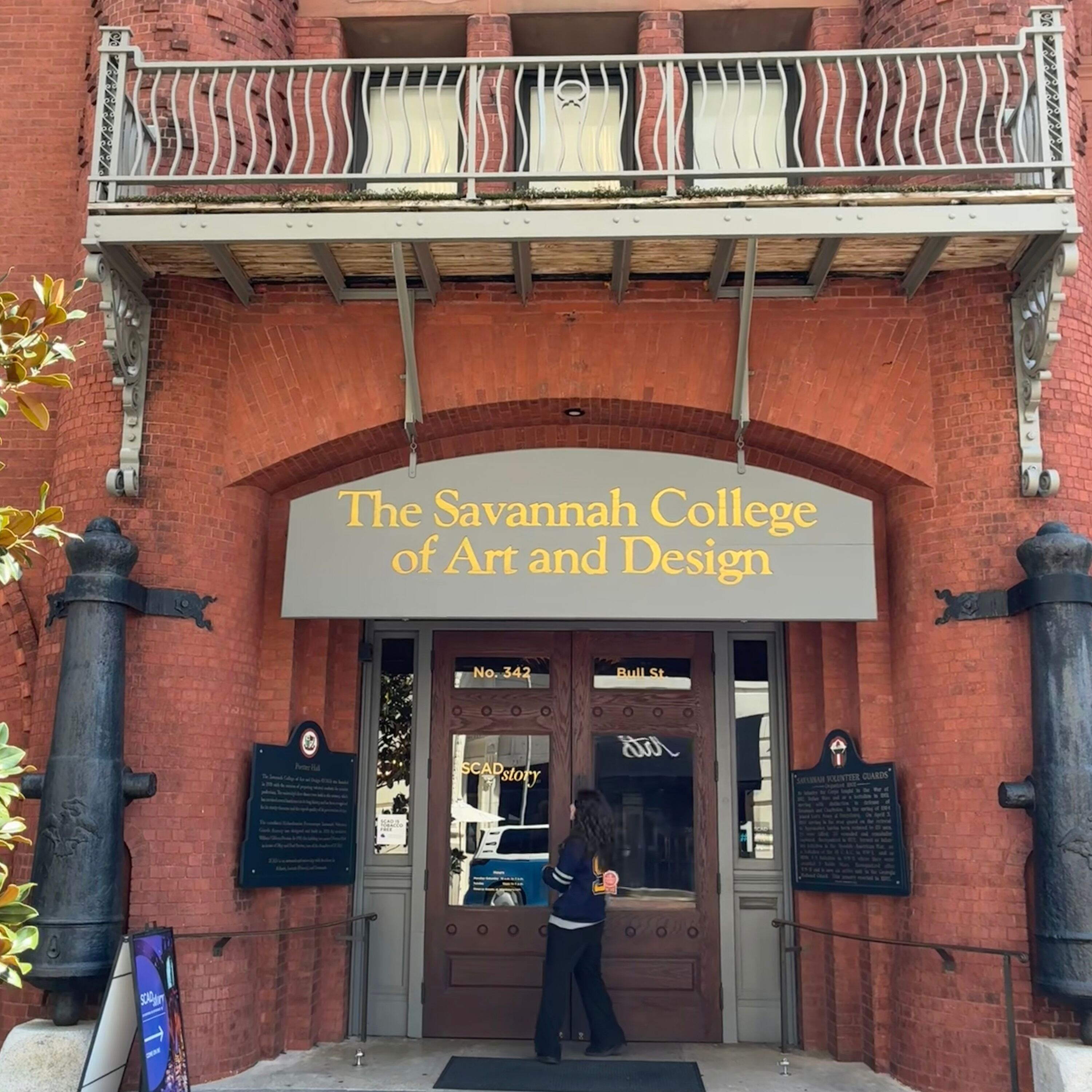
- 2SCAD replaced new sculpture enrollment with an applied AI major while facing questions about AI’s costs and consequences.
- 3Digital humanities shows how liberal arts programs can use technology to investigate what it means to be human.
Don't miss
SCAD’s shift from sculpture to applied AI crystallizes the episode’s central tension between employment prospects, creative education, and technology’s consequences.
The brief
Colleges are building majors around changing labor-market demands, from healthcare and applied AI to digital humanities, while cutting programs with weaker employment prospects.
UT San Antonio’s Health Sciences major combines specialized coursework with hands-on clinical training for medical, dental, and other healthcare careers—and aims to keep graduates in Texas.
The pressure is reshaping the liberal arts: declining humanities enrollment and closer scrutiny of graduates’ earnings push colleges to justify programs through career outcomes.
Savannah College of Art and Design stopped enrolling new sculpture students and launched applied AI with NVIDIA support, blending technical training with creative disciplines.
AI’s promise comes with environmental and intellectual-property concerns, while digital humanities at UCLA uses technology to ask a harder question: what does it mean to be human?
Featuring
Mentioned
 Planet Money
Listen to the full episode and explore every guest, topic, and moment on PodLume.