
Aug 25, 2026 · 29 min
China rejects Iran sanctions as crises spread from Haiti to the Danube
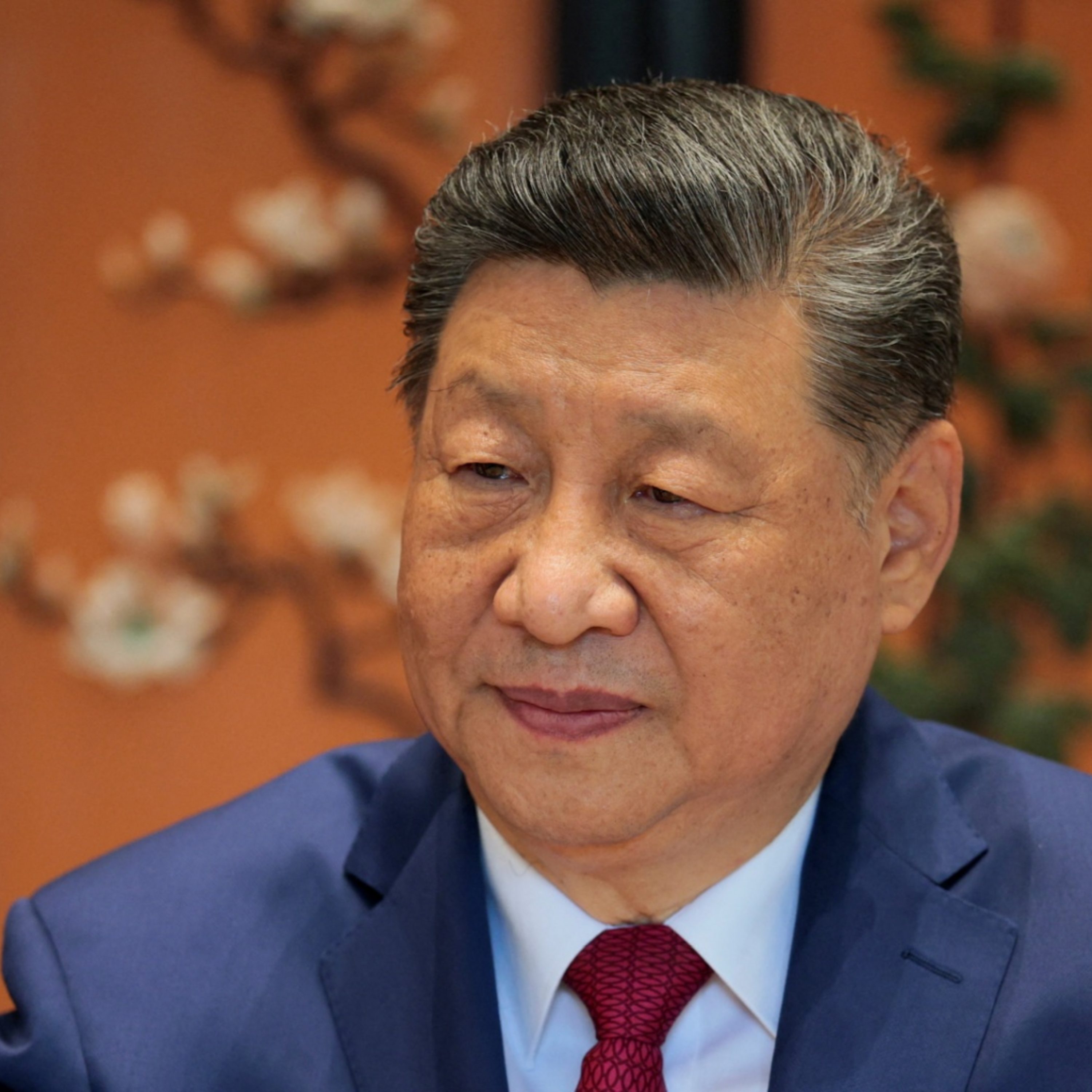
China slams 'illegal' US sanctions on Iran
The episode connects geopolitical pressure, fragile security, climate extremes, and automation to disruptions in energy, livelihoods, and global stability.
- 1China rejects US sanctions on Iran, while India weighs trade ties against the risk of energy disruption through the Strait of Hormuz.
- 2Haiti’s escalating gang violence and a proposed international force expose the gap between security needs and available capacity.
- 3Extreme weather, industrial automation, and AI-generated music are reshaping infrastructure, employment, and cultural rules worldwide.
Don't miss
The Haiti report pairs a deadly gang raid with doubts that the planned international security force can match the scale of the crisis.
The brief
China rejects US sanctions on Iran, warning that economic warfare could deepen tensions and unsettle the global financial order. India’s concern is more immediate: protecting energy supplies if the Strait of Hormuz is disrupted.
In Haiti, a gang raid that killed at least 47 people underscores how armed groups control strategic areas while police, the army, and the government struggle to respond.
A planned UN-backed security force faces doubts before deployment: its proposed size appears small beside the scale of Haiti’s armed groups and the country’s security crisis.
East Africa faces extreme rainfall risks while drought cuts Danube hydropower, showing how climate shocks can threaten lives, infrastructure, food security, and energy costs at once.
China’s factory automation promises productivity amid an aging workforce but threatens manufacturing jobs; Australia responds to AI-made music by tightening chart eligibility and disclosure rules.
 Laura Bicker
 United States
 Haiti
HaitiListen to the full episode and explore every guest, topic, and moment on PodLume.