
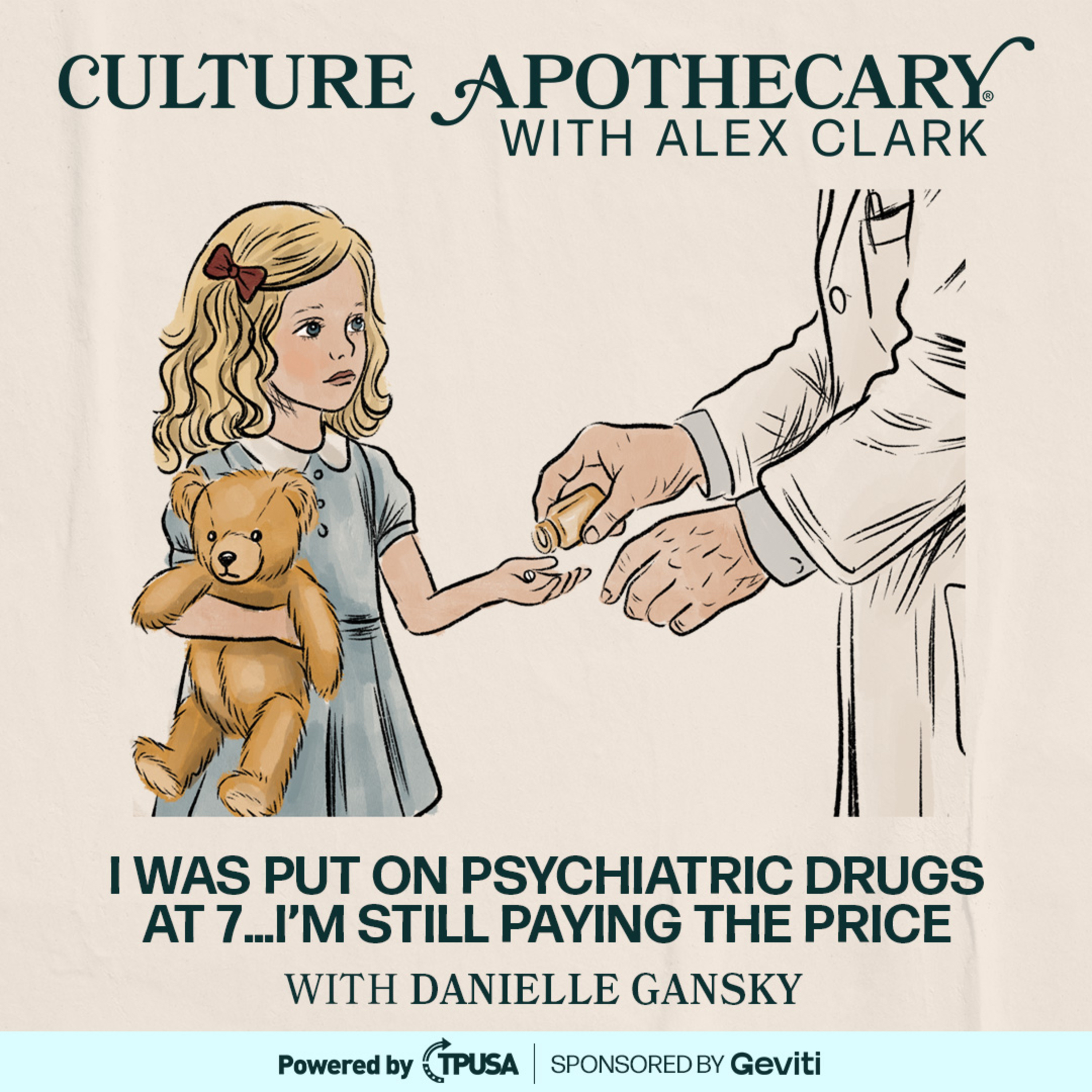
Aug 14, 2026 · 1h 4m
Childhood psychiatric treatment raises urgent questions about withdrawal and consent
I Was Put on Psychiatric Drugs at 7…I’m Still Paying the Price | Danielle Gansky
Danielle Gansky’s account connects early psychiatric prescribing with prolonged withdrawal, sexual dysfunction, and a lack of clear guidance for patients and clinicians.
- 1Gansky describes receiving multiple psychiatric medications before age ten without clear information about long-term effects on a developing brain.
- 2She says rapid tapering triggered disabling withdrawal, while a seven-year micro-taper reduced her antidepressant dose by less than one percent at a time.
- 3The conversation argues that patients need fuller warnings about possible sexual and cognitive effects, plus evidence-based tapering plans and stronger research.
Don't miss
Gansky explains how seven years of reductions below one percent became her strategy for tapering an antidepressant after a devastating rapid withdrawal.
The brief
Danielle Gansky recalls entering psychiatric treatment at seven, then receiving several medications before age ten as side effects were interpreted as evidence of new problems.
She describes agitation, emotional flattening, cognitive changes, and suicidal thoughts, while doctors responded to worsening symptoms with higher doses rather than a broader reassessment.
A rapid taper in college led to terror, akathisia, sensory hypersensitivity, and severe disability; online peer communities helped her recognize withdrawal when clinicians did not.
Gansky says she has spent seven years tapering from 150 milligrams to 56.4, making reductions below one percent and waiting months between changes.
The interview links withdrawal to persistent sexual and cognitive changes, then turns to labeling, research, and informed consent rather than banning antidepressants.
Featuring
 Xanax
XanaxListen to the full episode and explore every guest, topic, and moment on PodLume.