
Aug 24, 2026 · 14 min
Camera traps reveal wildlife’s long American transformation
How much has the U.S.’s wildlife changed since Lewis and Clark?
The comparison shows how settlement, altered rivers, and predator losses reshaped ecosystems while leaving room for recovery and conservation.
- 1Camera traps extend Lewis and Clark’s wildlife record by detecting species historical observers may have missed.
- 2Bison and apex predators declined as rivers were dammed and human settlement expanded across the landscape.
- 3The project offers public-facing evidence that adaptable wildlife can recover and help guide habitat protection.
Don't miss
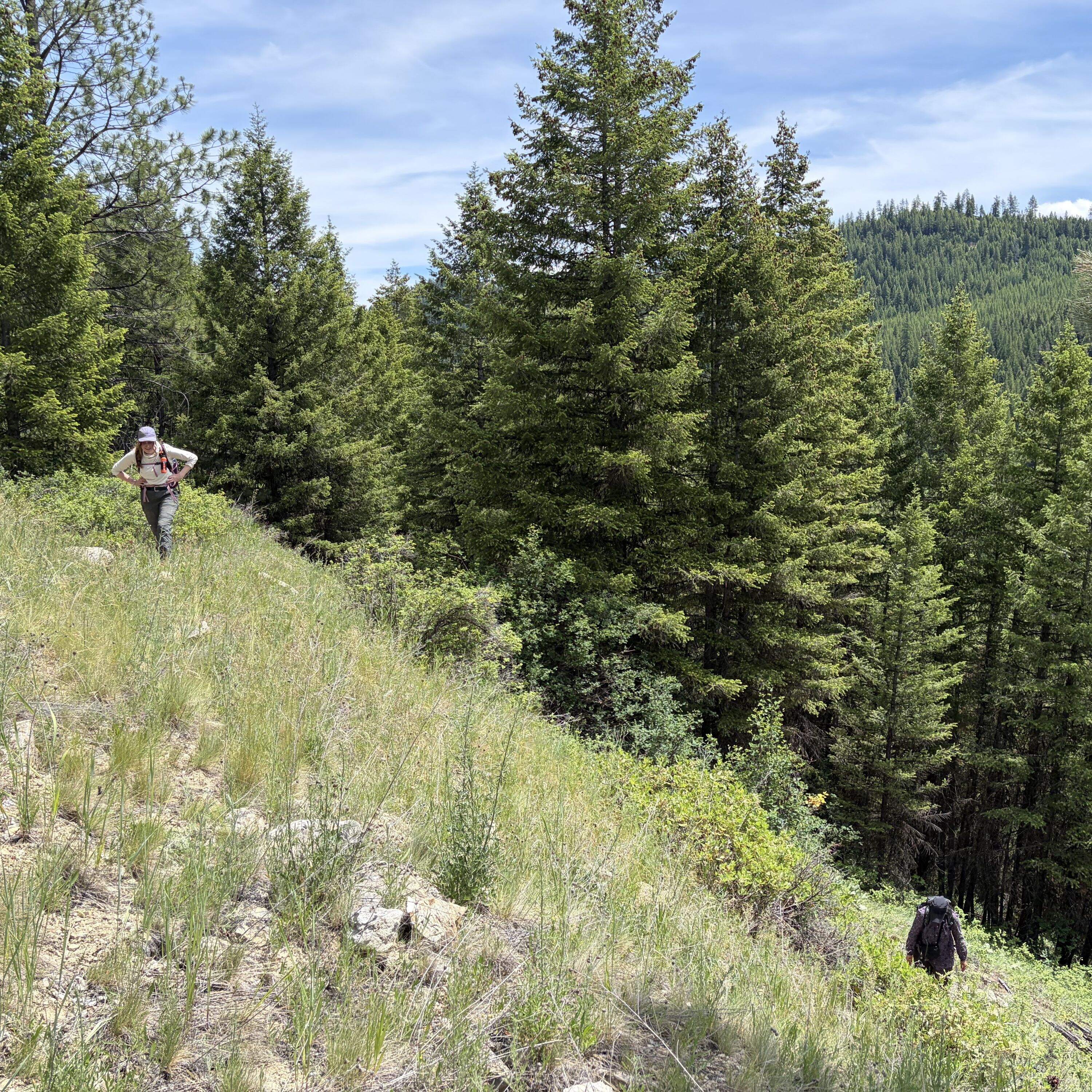
The team tests the newly installed camera by having Andrej crawl through the brush like a bear.
The brief
To mark the United States’ 250th anniversary, wildlife ecologist Bill McShay proposes a scientific commemoration: retrace Lewis and Clark’s route and compare its animals with today’s wildlife.
In western Montana, researchers and citizen scientists place motion-activated cameras along the Lewis and Clark Trail, hoping to capture animals historical observers may have overlooked.
The comparison has limits: Lewis and Clark traveled in winter, while this survey runs in summer, and the project is designed more for public understanding than cutting-edge science.
The ecological changes are stark—bison and apex predators declined, rivers were dammed, and settlement expanded—but McShay argues that wildlife remains widespread, adaptable, and capable of recovery.
The resulting data could help managers and Native communities identify habitats where successful wildlife populations can be protected and strengthened.
 United States
Books & mentions

Listen to the full episode and explore every guest, topic, and moment on PodLume.