
Aug 20, 2026 · 25 min
Cambridge’s Arday scandal tests academia’s DEI politics
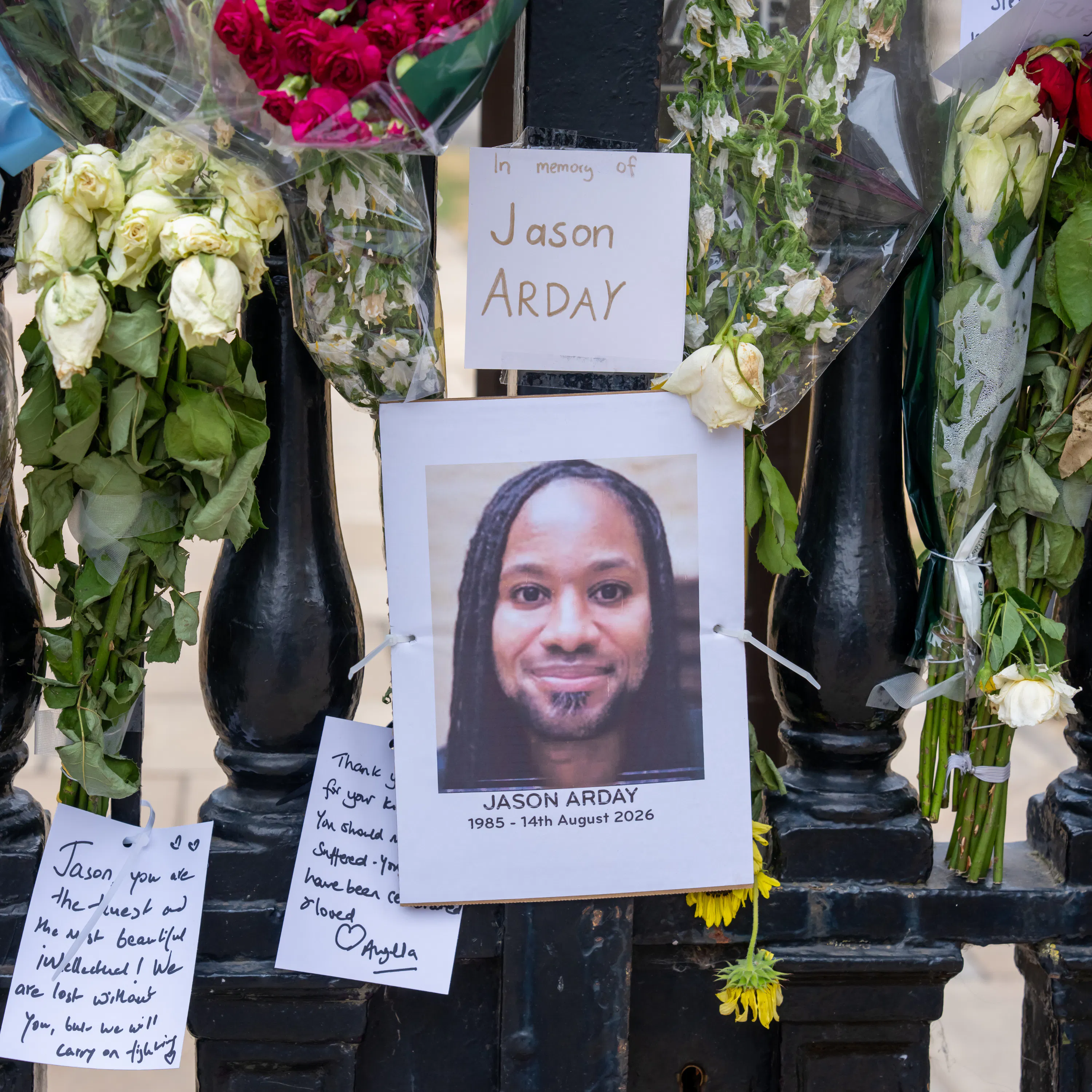
The tragedy of Jason Arday
The episode examines how disputed biography, institutional incentives, media scrutiny, and racial politics converged around one academic’s rise and death.
- 1Jason Arday’s extraordinary public biography helped propel a rapid academic ascent before plagiarism allegations and disputed life claims undermined it.
- 2Cambridge first defended Arday, then opened an investigation and faced criticism over both its hiring process and his exposure to abuse.
- 3Responsibility extends across Arday, elite institutions, and the British press, but the controversy produced polarization rather than institutional reflection.
Don't miss
Noel King rejects the claim that the coverage amounted to a ‘digital lynching’ while acknowledging that the scrutiny may have become excessive.
The brief
Jason Arday’s rise made him a symbol of DEI and systemic racism debates, but allegations about plagiarism and his biography soon destabilized the story.
Richard Adams recounts Arday’s claims of overcoming profound early challenges, followed by a PhD and rapid ascent through British academia.
Cambridge initially defended Arday after confirming his PhD, then announced an investigation into new information about his CV; he resigned amid mounting scrutiny.
After reports of Arday’s death, the episode asks whether the press campaign became excessive and what journalists should learn from tragedies involving public allegations.
Noel King distributes blame among Arday, the institutions that elevated him, and the British press, while rejecting the phrase ‘digital lynching’ as grotesque.
The controversy leaves opposing camps blaming either media or academia, with little examination of the institutional incentives and policies beneath the scandal.
Featuring
 Cambridge
 The Atlantic
Listen to the full episode and explore every guest, topic, and moment on PodLume.