
Oct 1, 2026 · 9 min
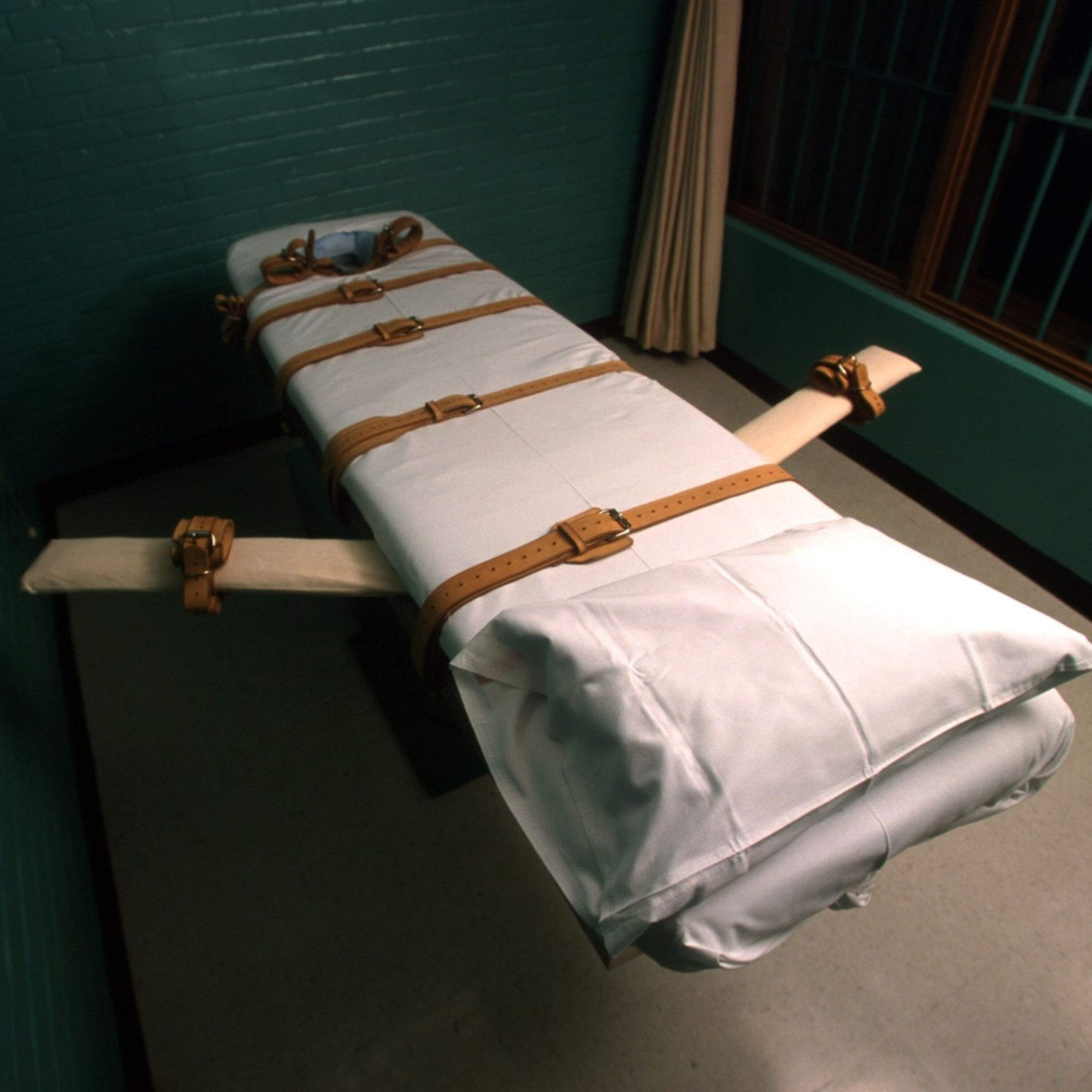
Botched execution exposes lethal-injection failures
A botched execution raises questions about death penalty protocols
Christa Pike’s continued breathing after two drug doses raises questions about execution protocols, drug sourcing, secrecy, and staff qualifications.
- 1Witnesses describe Pike continuing to breathe after two lethal-injection drug doses and a confused response inside the death chamber.
- 2Reporters place the failed execution within a broader pattern involving Tennessee, the United States, and the attempted execution of Tony Carruthers.
- 3Drug shortages, compounding-pharmacy violations, secrecy, and uncertain staff qualifications may all contribute to lethal-injection failures.
Don't miss
Catherine Sweeney describes the confusion after Pike continued breathing, including the repeated injection and the closing of the death-chamber curtain.
The brief
Christa Pike’s execution attempt in Tennessee did not proceed as planned: witnesses reported that she continued breathing after two doses of lethal-injection drugs.
WPLN reporter Catherine Sweeney recounts the waiting, legal challenges, lack of sedation, repeated injection, closed curtain, and confrontation that followed.
NPR correspondent Chiara Eisner explains what is known about Pike’s injuries and medical treatment, then places the incident alongside other failed executions.
The episode examines how unreliable drug supplies, compounding pharmacies with safety violations, secrecy, and questions about execution-team qualifications can undermine lethal injections.
The central issue is larger than one botched execution: a system designed to appear controlled may depend on opaque procedures and uncertain safeguards.
 Tennessee
Listen to the full episode and explore every guest, topic, and moment on PodLume.