
Sep 17, 2026 · 27 min
Blocked oil routes push fuel prices higher worldwide
Why Gas Prices Just Keep Going Up
The episode connects a regional conflict and vulnerable shipping infrastructure to household fuel costs, political pressure, and worsening suffering in Yemen.
- 1Houthi advances and attacks have sharply constrained Saudi Arabia’s remaining routes for exporting oil.
- 2Saudi Arabia faces a choice between renewed fighting and uncertain diplomacy while the United States stays out militarily.
- 3Disrupted energy supplies are driving protests and higher prices as the war’s humanitarian consequences deepen in Yemen.
Don't miss
Vivian Nereim traces how Houthi advances and attacks turned Saudi Arabia’s oil-export workaround into a vulnerable dead end.
The brief
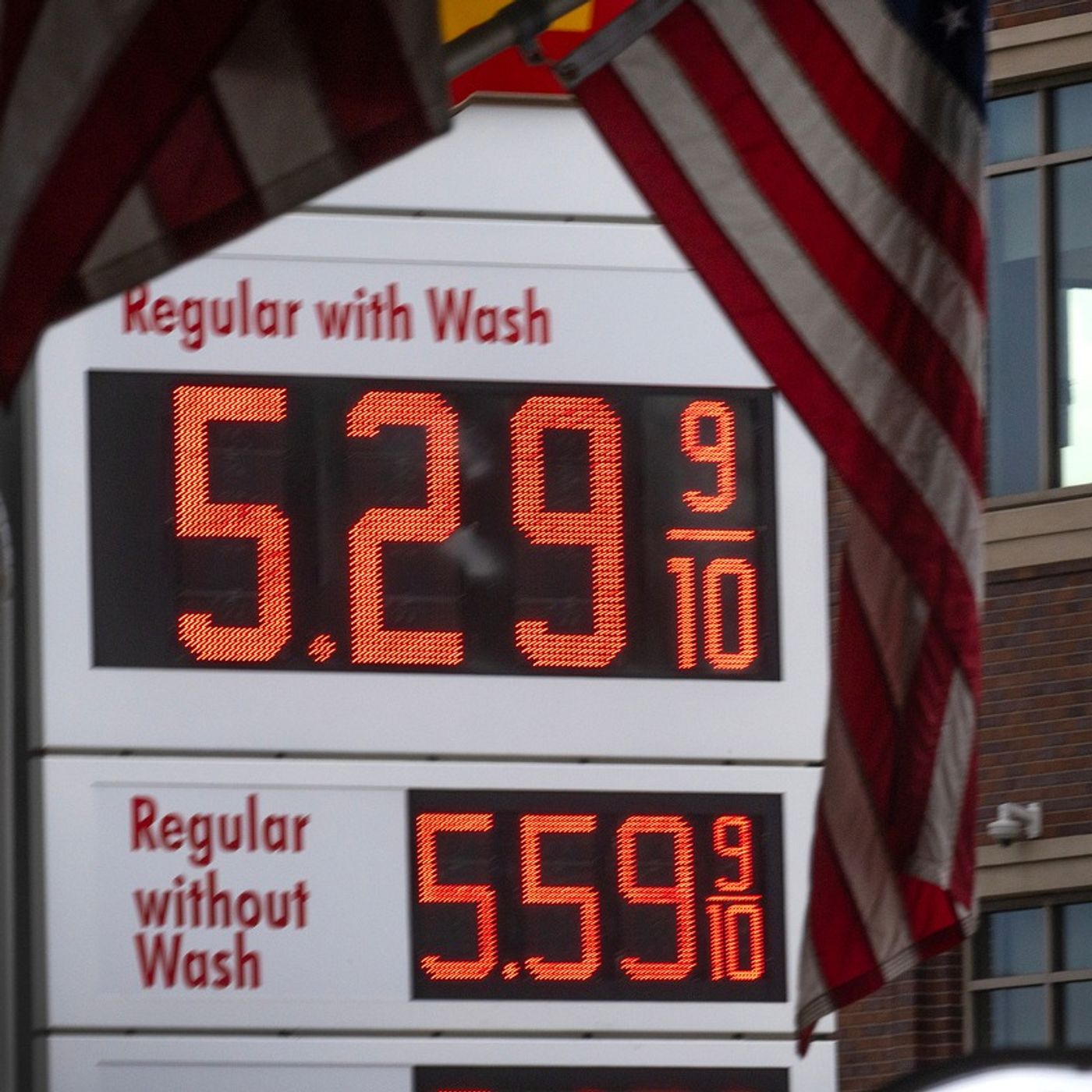
Cam Judy notices nearby stations raising prices again while his remains at $3.99 a gallon, turning a local business problem into the episode’s central question.
Vivian Nereim explains how the Iran war, Houthi control near the Bab el-Mandeb Strait, and an attack on Saudi Arabia’s pipeline disrupted oil exports.
Saudi Arabia once used a cross-country pipeline to bypass the Strait of Hormuz, but the Houthis’ blockade and territorial gains have left few workable alternatives.
The kingdom can resume fighting or pursue diplomacy, while the United States provides intelligence but declines to join a campaign it sees as unlikely to succeed.
The consequences reach beyond Riyadh: repairs may remain vulnerable, oil prices pass $100 a barrel, protests spread, and humanitarian conditions worsen in Yemen.
Featuring
 Vivian Nereim
Mentioned
 Houthis
 Riyadh
 GasBuddy
Books & mentions

Listen to the full episode and explore every guest, topic, and moment on PodLume.