
Sep 15, 2026 · 11 min
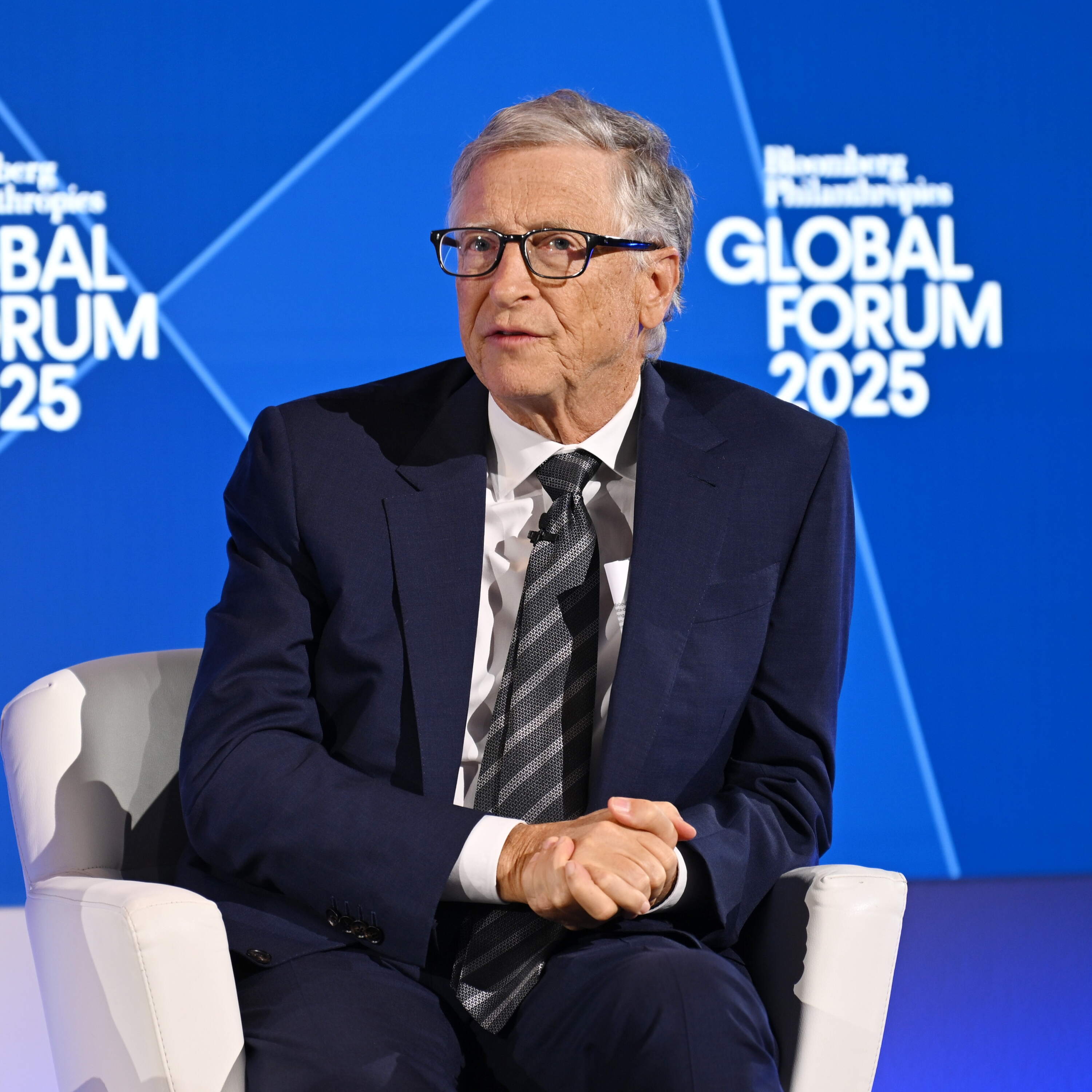
Bill Gates urges governments to catch up with AI
Tech leaders are debating how risky AI is. What does Bill Gates think?
The episode tests whether societies can capture AI’s benefits while limiting risks that markets and companies may not manage alone.
- 1AI could improve agriculture and public services in low-income countries, but its benefits will depend on reliable access and safeguards.
- 2Gates identifies biosecurity, cybersecurity, job displacement and harmful dependence as risks requiring more than corporate self-regulation.
- 3He argues governments, universities and nonprofits need stronger technical capacity now, especially to prevent AI-enabled bioterrorism.
Don't miss
Gates gives his clearest warning that AI safeguards must be established immediately to prevent bioterrorists from using advanced models.
The brief
Advanced AI is being shaped by a small group of technology leaders, raising a central question: can market incentives protect the public from risks companies cannot fully control?
Bill Gates sees practical promise in AI for low-income countries, including crop-disease detection, weather and soil information, agricultural advice and market data.
He also names a broad risk portfolio: biosecurity, cyberattacks, job displacement, psychosocial dependence and the possibility that bad actors could gain control.
Gates argues that governments, universities and nonprofits need much stronger technical capacity, rejecting the idea that corporate self-regulation or a strong president is enough.
The interview turns personal when Scott Detrow asks about Gates’s association with Jeffrey Epstein; Gates expresses regret and calls spending time with him a mistake.
Gates closes with urgency: safeguards should be built immediately so AI models cannot be used by bioterrorists, even as their wider benefits remain promising.
Featuring
 Bill Gates
 Scott Detrow
 Anthropic
 Microsoft Corporation
Listen to the full episode and explore every guest, topic, and moment on PodLume.