
Sep 23, 2026 · 38 min
Baby monitors turn parenting into a data experiment
Health Trackers Are Everywhere. Do Babies Need Them, Too?
The episode examines whether constant measurement makes family life safer and healthier or replaces reassurance with surveillance and anxiety.
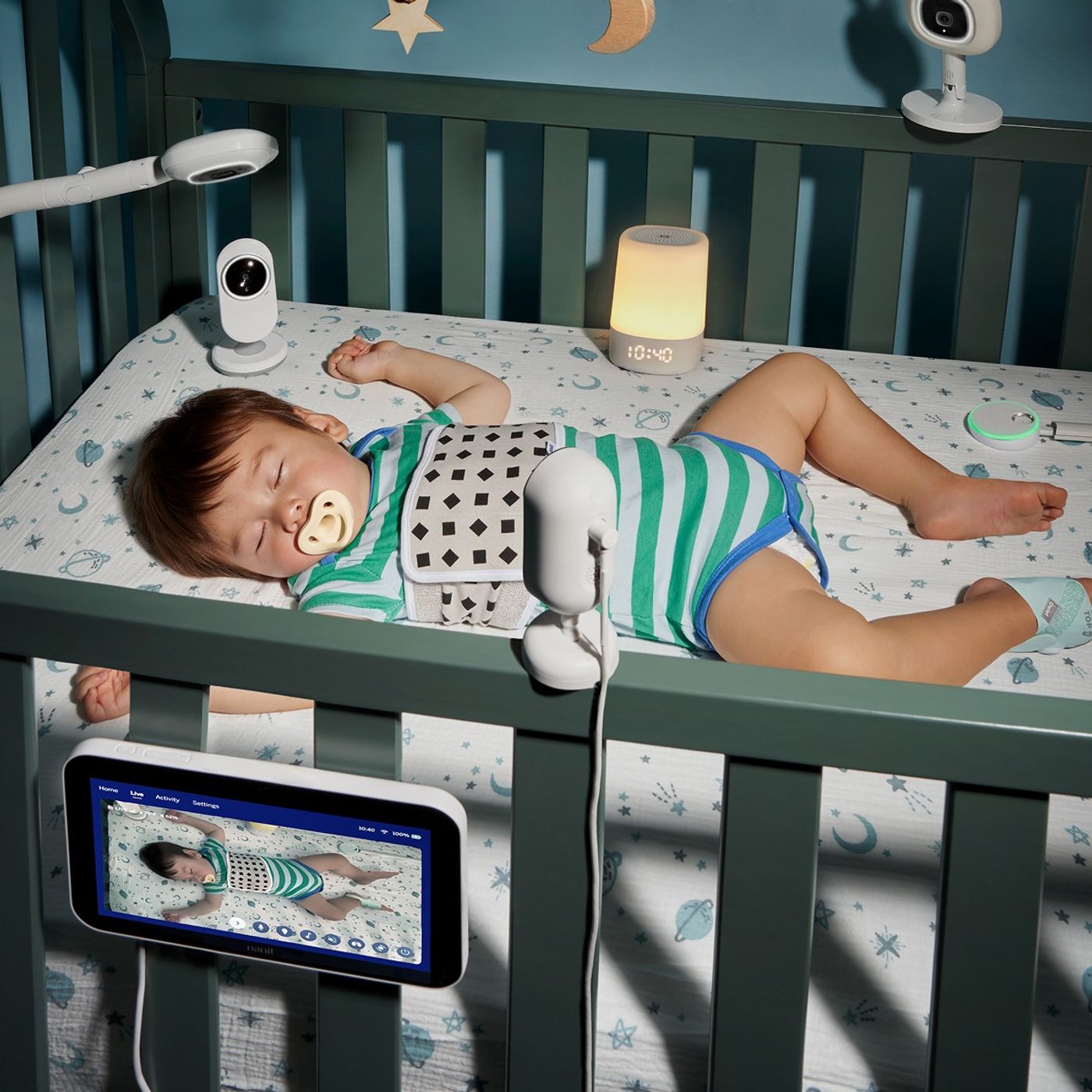
- 1AI baby monitors promise developmental insight but can turn ordinary infant behavior into a stream of parental alarms.
- 2Wearables can motivate healthier habits while making sleep, meals, exercise, and recovery feel like performance metrics.
- 3Constant tracking may improve decisions yet weaken the intuition and judgment that guide parenting and everyday health choices.
Don't miss
Sapna Maheshwari recounts her mother’s resistance to Nanit’s notifications and optimized routines, defending intuition against machine-like parenting.
The brief
Sapna Maheshwari describes using Nanit to track sleep, movement, feedings, and diaper changes, revealing how reassurance can become constant concern about whether a baby is normal.
The technology promises a fuller picture than brief pediatric visits, but keeping a camera in a child’s bedroom raises unresolved questions about privacy, surveillance, and ownership of childhood data.
A grandmother rejects optimized parenting, objecting to notifications and rigid routines that treat babies like machines rather than people whose needs require judgment.
The discussion widens to Whoop, Oura Ring, and other wearables, showing how scores can motivate exercise and dietary changes while turning family life into a negotiation over numbers.
The episode’s central tension is whether measurement strengthens healthy behavior or distances people from intuition, including the ancient, sensory judgment at the heart of parenting.
Featuring
 Oura Ring
 The New York Times
Listen to the full episode and explore every guest, topic, and moment on PodLume.