
Sep 11, 2026 · 13 min
Animals build a shared pharmacy from nature
How scientists discovered that animals are doctors, too
Animal self-medication reveals sophisticated behavior, points toward new medicines, and makes ecosystem protection part of human healthcare.
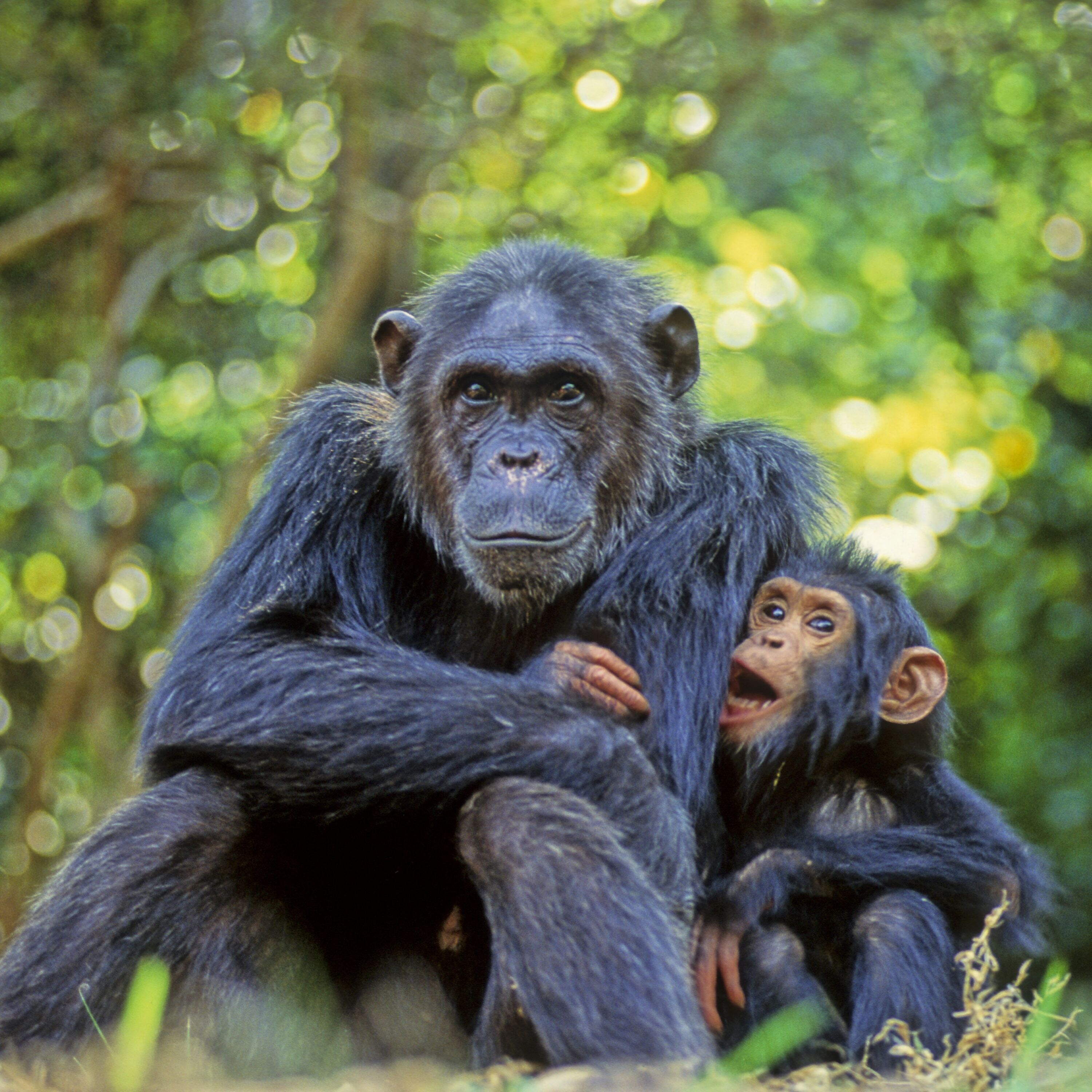
- 1Chimpanzees can select medicinal plants when sick, linking observation, parasite testing, recovery, and chemical analysis.
- 2Across species, animals use dirt, insects, resins, toxic plants, and even surgery to manage illness and parasites.
- 3Studying these behaviors could improve care for pollinators and livestock while guiding pharmaceutical discovery and conservation.
Don't miss
Michael Huffman’s sick-chimpanzee observation, followed by testing and chemical analysis, turns an unusual feeding behavior into evidence of self-medication.
The brief
The episode opens with a deceptively human question: is medicine uniquely ours? Evidence from across the animal kingdom suggests illness can trigger deliberate treatment.
Michael Huffman’s observation of a sick chimpanzee eating bitterleaf became a case study in self-medication, strengthened by parasite testing, recovery, and chemical analysis.
The pattern extends beyond primates: birds rub ants on their feathers, animals eat dirt, and insects use plants or substances to control parasites.
Monarch butterflies lay more eggs on toxic milkweed when infected, bees gather antimicrobial resins, and carpenter ants amputate infected limbs from nestmates.
Animal medicine could improve honeybee and livestock care and inspire pharmaceuticals, but the research also depends on protecting the habitats and plants animals use.
Featuring
 Emory University
Listen to the full episode and explore every guest, topic, and moment on PodLume.