
Aug 21, 2026 · 50 min
Algorithms turn internet slang into everyday speech
How the creator economy is making you talk like the internet
The episode shows how platform incentives shape not only what people watch, but also how language, identity, and political ideas spread.
- 1Platform moderation encourages euphemisms that can migrate from online communities into classrooms and everyday speech.
- 2Creators adapt hooks, accents, pacing, and narratives to recommendation systems that reward retention and recognizable styles.
- 3Internet language can spread political manipulation and cultural anxiety alongside humor, creativity, and greater media literacy.
Don't miss
Adam Aleksic and Manoush Zomorodi test the conventions of viral content, using “clanker” to connect internet language with AI anxiety and personhood.
The brief
Linguist and creator Adam Aleksic explains how hooks, rapid delivery, visual design, and simplified narratives helped turn etymology into social-media content.
Platform moderation produces “algo-speak” such as “unalive,” showing how euphemisms created to evade censorship can move into classrooms and ordinary conversation.
Aleksic argues that creators are not simply training one personalized algorithm; they are adapting to shifting recommendation systems and incentives that determine what spreads.
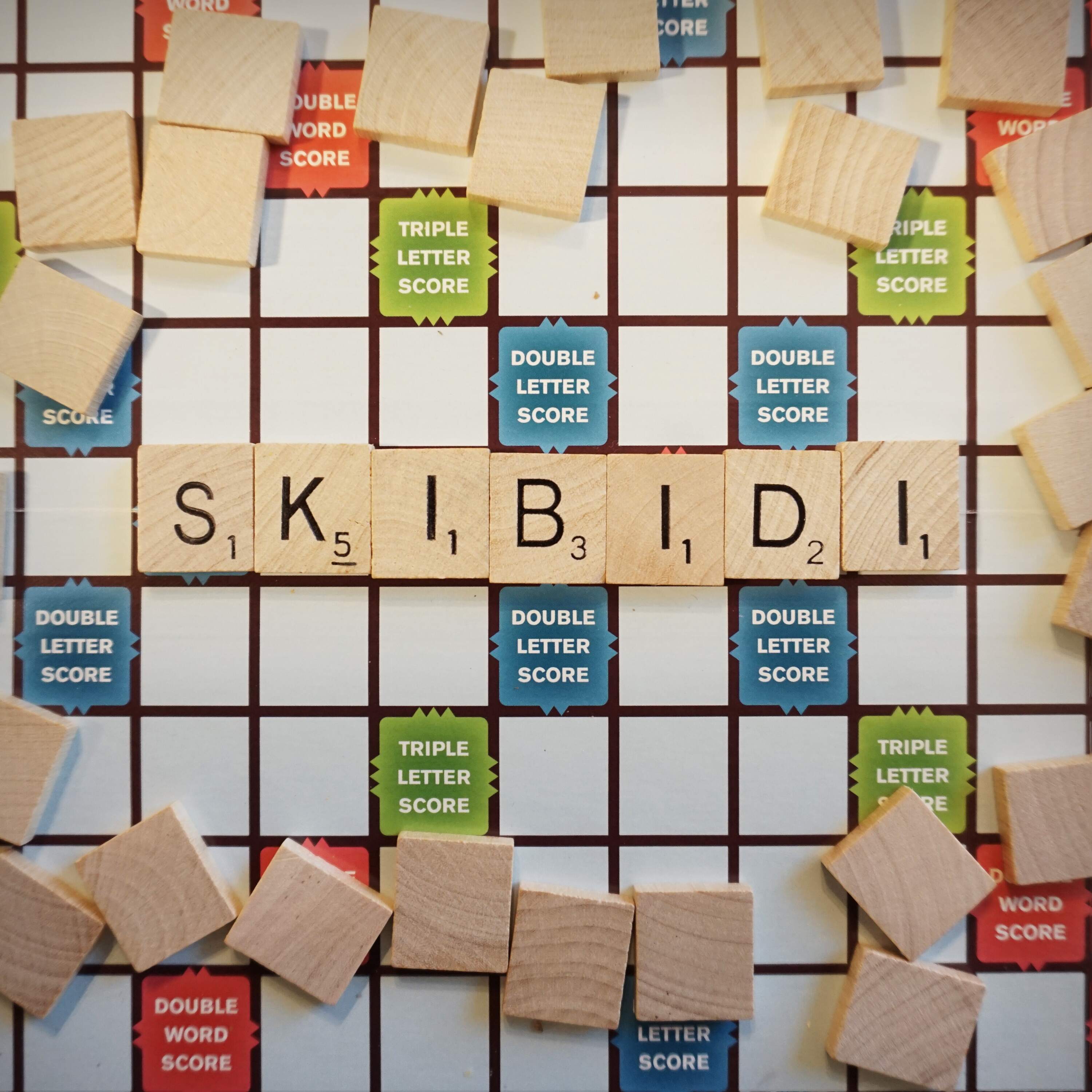
The episode contrasts fleeting slang like “skibidi” and “rizz” with quieter changes to words such as “low-key” and “nonchalant,” which may reshape English longer-term.
A mock attempt to make a viral video turns “clanker,” a speculative slur for future robots, into a lens on AI, personhood, and online anxiety.
The larger warning is political: concise, confrontational clips can outrun nuance, while increasingly specific identities give platforms more metadata about their audiences.
Featuring
 Adam Aleksic
Mentioned
 Algo Speak, How Social Media is Transforming the Future of Language
 TikTok Shop
Books & mentions
Listen to the full episode and explore every guest, topic, and moment on PodLume.