
Oct 4, 2026 · 33 min
Algorithms turn fashion into an endless disposable feed
Mass-produced fashion slop
The episode connects algorithmic shopping, ready-to-wear history, and mainstream thrifting to a larger question about affordability, originality, and waste.
- 1Shein uses social media signals and search behavior to produce cheap styles at unprecedented speed.
- 2Ready-to-wear clothing expanded access by industrializing production, creating the systems modern fast fashion now exploits.
- 3Thrifting offers individuality, but resellers and rising prices have made secondhand bargains harder for lower-income shoppers to find.
Don't miss
Avery Trufelman connects the rise of American ready-to-wear to the industrial systems that eventually enabled modern fast fashion.
The brief
A visit to Detour, an influencer resale closet in Los Angeles, shows how social media turns clothing into a rapidly circulating stream of trends, purchases, and castoffs.
Amy Odell contrasts the old fashion system, shaped by designers and magazines, with an algorithmic one that reads searches, social posts, and celebrity outfits.
Shein embodies that shift: enormous volumes of inexpensive styles arrive quickly, making fashion more accessible while encouraging disposable consumption and flattening personal style.
Avery Trufelman traces the deeper history from homemade clothing and fashion plates to American ready-to-wear, showing that industrial fashion has long promised democratic access.
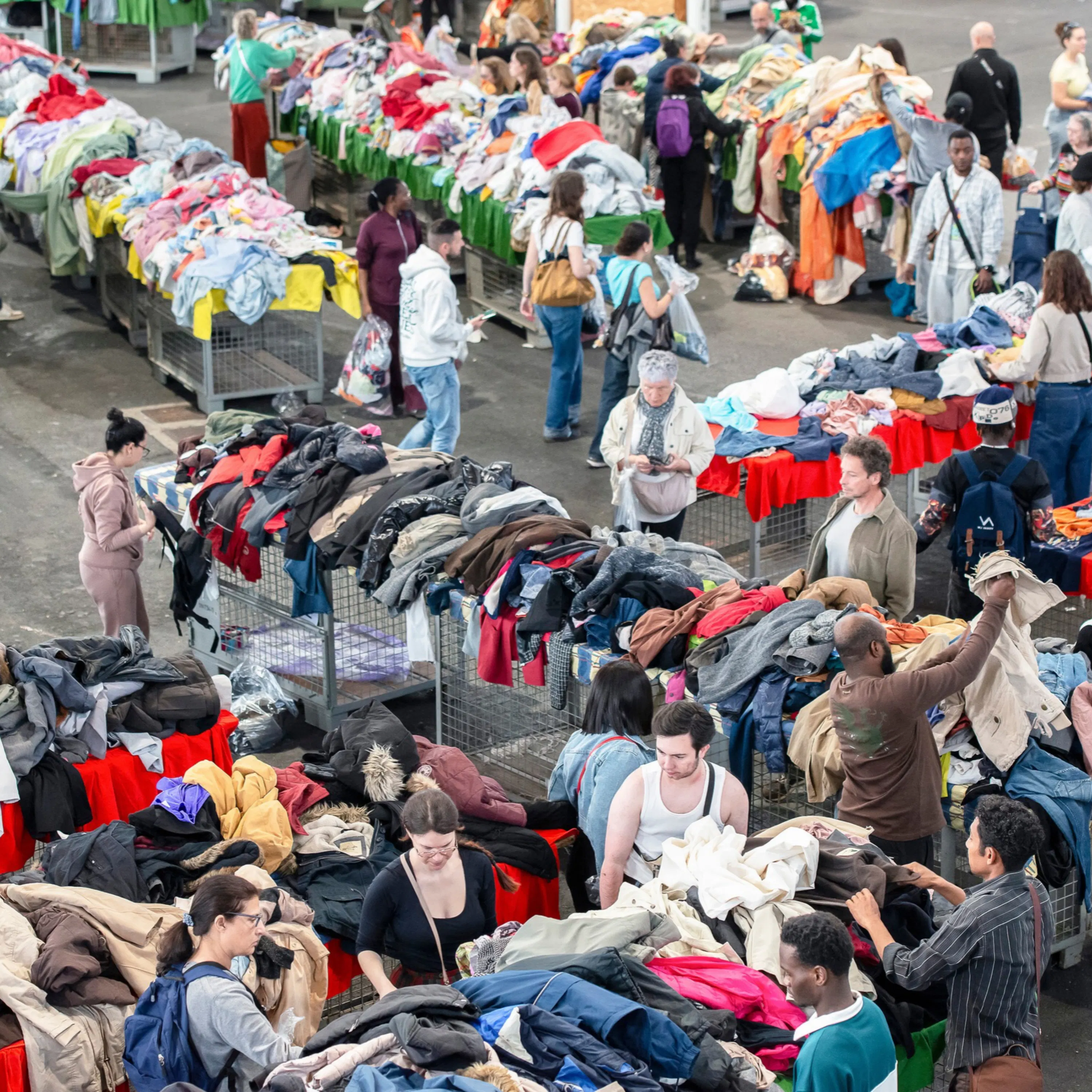
Hannah Marriott explains how thrifting moved from counterculture to mainstream commerce, while resellers, rising prices, and online tools make bargains harder to find.
 Amy Edmondson
 Avery Trufelman
 Shein
Shein United States
Listen to the full episode and explore every guest, topic, and moment on PodLume.