
Sep 30, 2026 · 25 min
AI spending lifts GDP as workers and startups stay cautious
OpenAI is staying private (for now)
The episode tests whether AI investment can produce durable economic gains while a seemingly strong labor market and private funding conceal underlying uncertainty.
- 1Heavy AI infrastructure spending is lifting GDP, but imported equipment and uncertain productivity gains complicate the growth story.
- 2Low unemployment masks a frozen labor market, where weak hiring and firing may signal limited economic momentum.
- 3Private capital lets AI companies postpone IPOs, while farms and small businesses seek creative ways to protect income.
Don't miss
Jake Edmondson explains how hotter, drier conditions made Canadian mustard seeds significantly spicier, bringing climate change to the dinner table.
The brief
AI infrastructure spending helped lift second-quarter GDP, but economists question how much of that growth reflects imported equipment rather than lasting productivity.
A labor market with low unemployment, hiring, and firing looks stable on the surface; Alicia Modestino and Eliza C. Forsythe examine why the lack of churn may signal weakness.
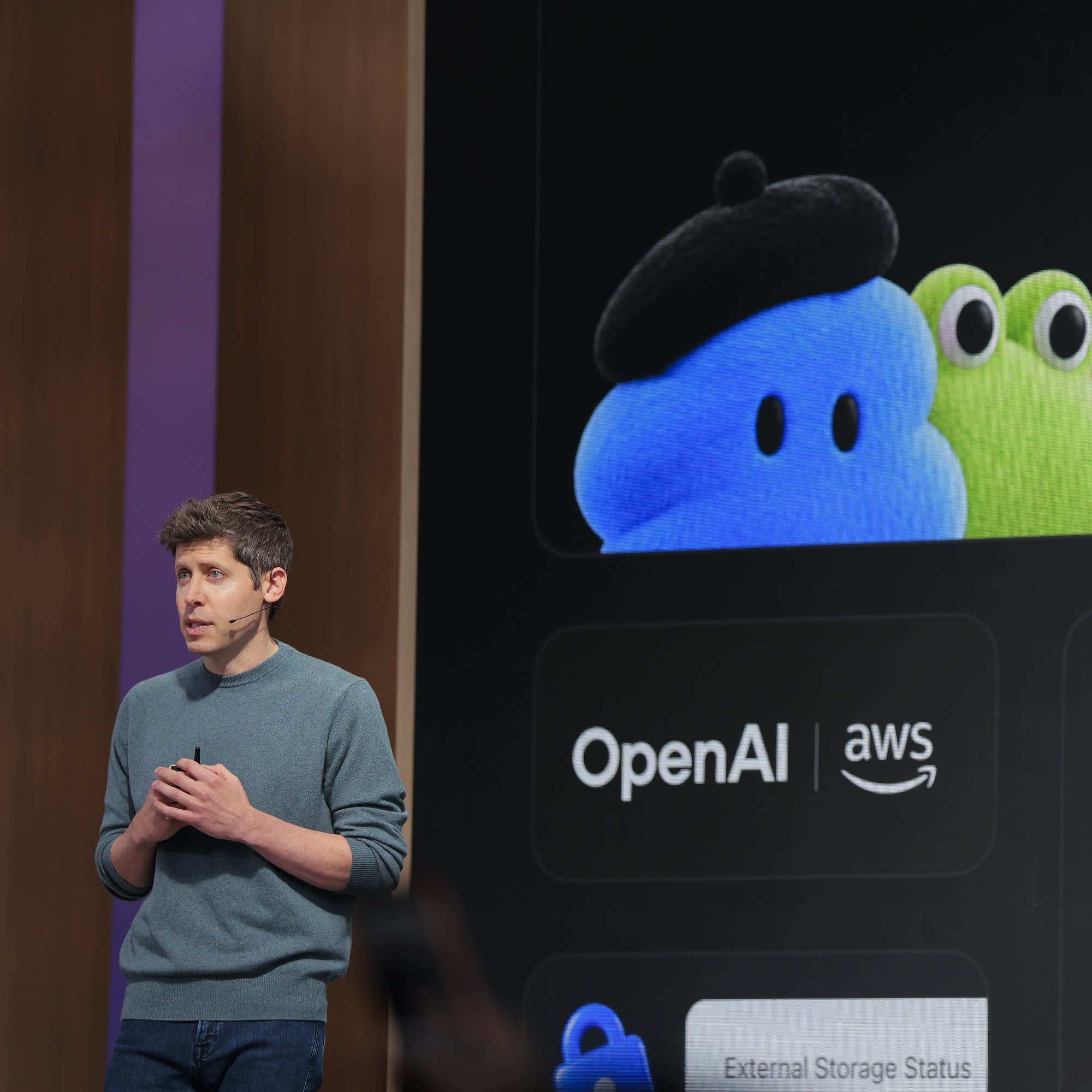
OpenAI and other AI companies are delaying IPOs because venture capital, sovereign funds, hedge funds, and other investors can supply enormous private financing.
Farms are adding tractor rides, corn mazes, weddings, and stays to offset falling crop revenue, turning agritourism into both a lifeline and a competitive business.
Jake Edmondson traces how hotter, drier conditions made Canadian mustard seeds spicier, while Tom Brickler’s Chicago neon business shows adaptation at a human scale.
The episode closes on rising personal spending, leaving a broader question: can consumers and businesses keep carrying an economy whose next gains remain uncertain?
 Eliza C. Forsythe
Listen to the full episode and explore every guest, topic, and moment on PodLume.