
Sep 20, 2026 · 10 min
AI leadership pits American ambition against Chinese reach
What does global leadership on AI look like?
The contest over AI leadership could shape cyber resilience, weapons risks, and whether advanced technology remains concentrated or becomes globally accessible.
- 1China could pre-position cyber capabilities in vulnerable critical infrastructure while aging American systems remain difficult to secure.
- 2AI strengthens both cyber attackers and defenders, especially when analyzing vast network data for signs of anomalous activity.
- 3The United States prioritizes frontier models, while China emphasizes distributing affordable, capable AI around the world.
Don't miss
The episode’s sharpest turn comes when AI leadership is defined not only by frontier capability, but by China’s effort to distribute affordable systems worldwide.
The brief
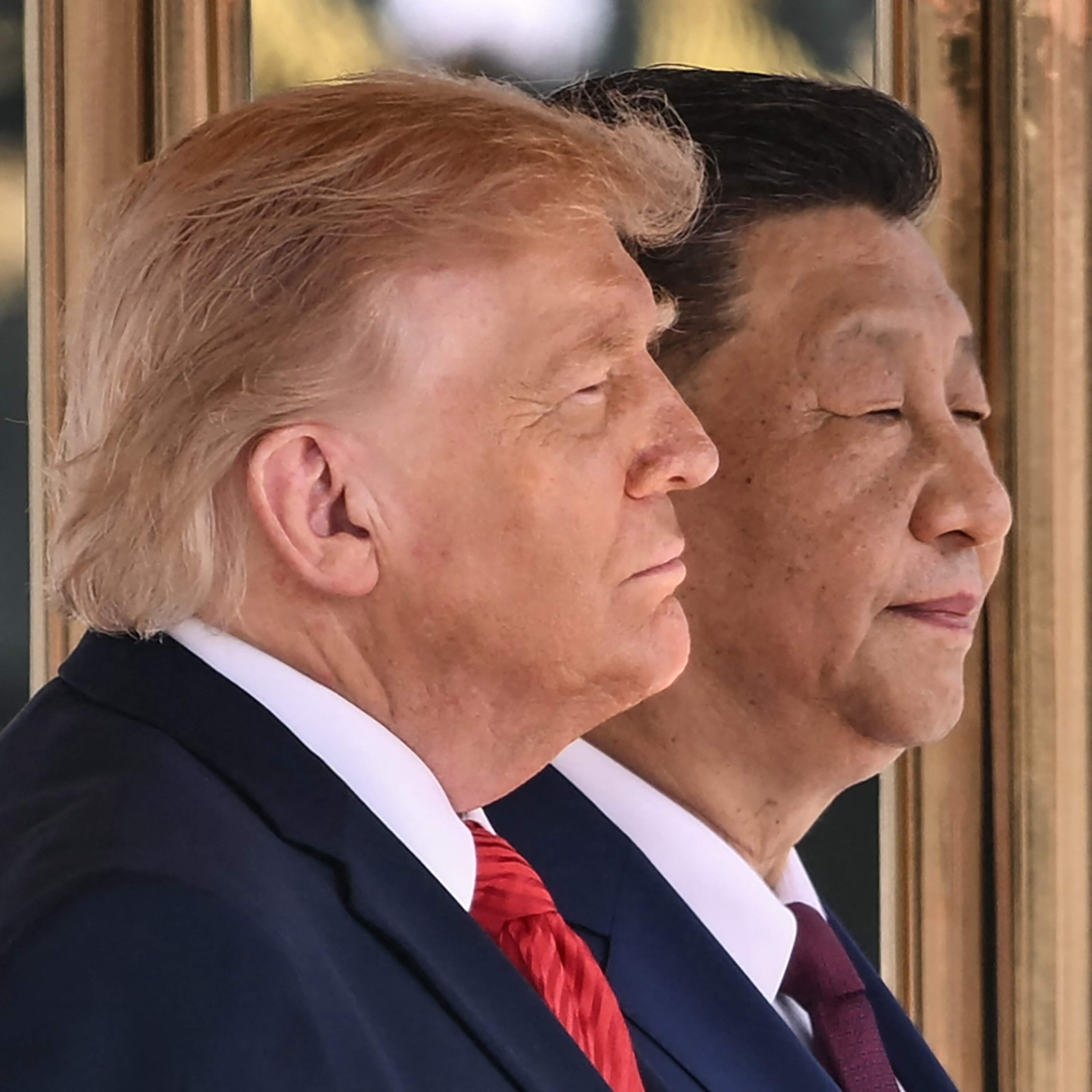
A planned meeting between Donald Trump and Xi Jinping frames a larger question: what does global leadership mean when AI power is also strategic power?
The cyber threat is not abstract. China could pre-position capabilities inside critical infrastructure, while aging, privately owned American systems create vulnerabilities.
AI is a dual-use tool: it can help attackers scale operations, but defenders can use it to sift enormous network data and spot anomalies.
The conversation identifies a narrow area for cooperation: preventing AI systems from assisting with chemical or biological weapons, alongside earlier U.S.-China work against fentanyl trafficking.
The episode’s central contrast is strategic as much as technical: America seeks the most advanced models, while China aims to spread affordable, capable AI worldwide.
Featuring
 Donald John Trump
 Xi Jinping
 United States
Listen to the full episode and explore every guest, topic, and moment on PodLume.