
Aug 25, 2026 · 12 min
AI designs viruses, forcing medicine to confront new risks
AI-made viruses could be the future of medicine
The same systems that could tailor treatments for drug-resistant infections may also make dangerous biological engineering easier to attempt.
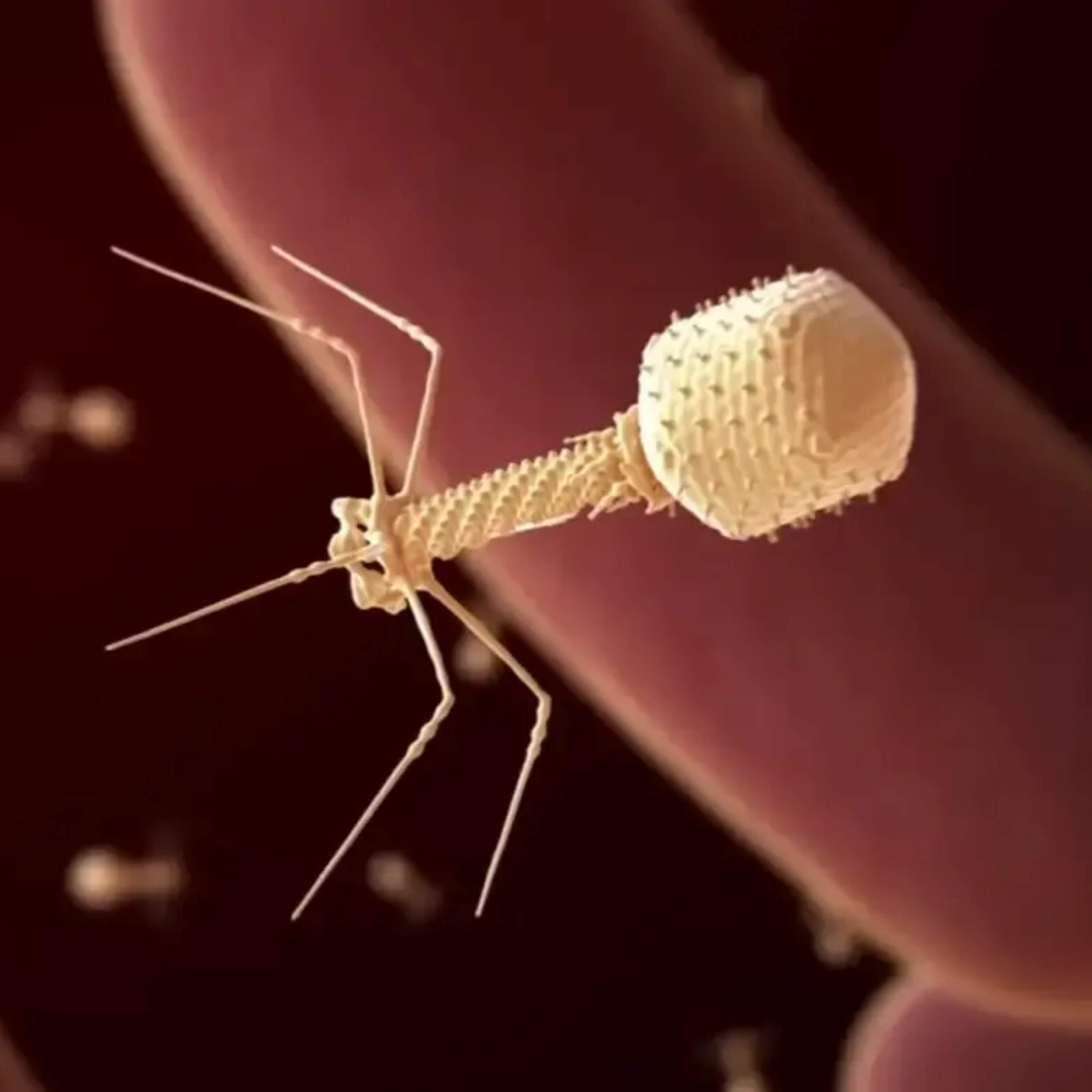
- 1Researchers turned roughly 300 AI-generated viral genomes into 16 functioning viruses that infect bacteria.
- 2AI-designed viruses could eventually target drug-resistant infections, though applications involving cancer or Alzheimer’s remain distant.
- 3Screening custom DNA orders may offer a practical safeguard as digital biological designs become physical pathogens.
Don't miss
The experiment’s 16 functioning viruses, produced from roughly 300 AI-generated candidates, turns a speculative idea into demonstrated biology.
The brief
Researchers trained AI models on DNA sequences and used them to generate novel viruses that infect bacteria, testing whether digital designs could become functioning biology.
The experiment produced 16 functioning viruses from roughly 300 candidates, a result presented as an early demonstration of AI-designed viral genomes.
The medical promise is targeted treatment for drug-resistant infections, while more ambitious ideas involving cancer or Alzheimer’s remain far beyond current applications.
Tom Inglesby and other experts warn that biological AI could lower barriers to dangerous pathogens, accidental release, biological warfare, or a future pandemic.
The proposed safeguard focuses on custom DNA screening: regulate the point where a digital sequence becomes physical biology rather than trying to restrict every AI model.
Featuring
 Katia Riddle
 ChatGPT
Listen to the full episode and explore every guest, topic, and moment on PodLume.