
Sep 4, 2026 · 1h 7m
A 60-word law powers America’s endless war
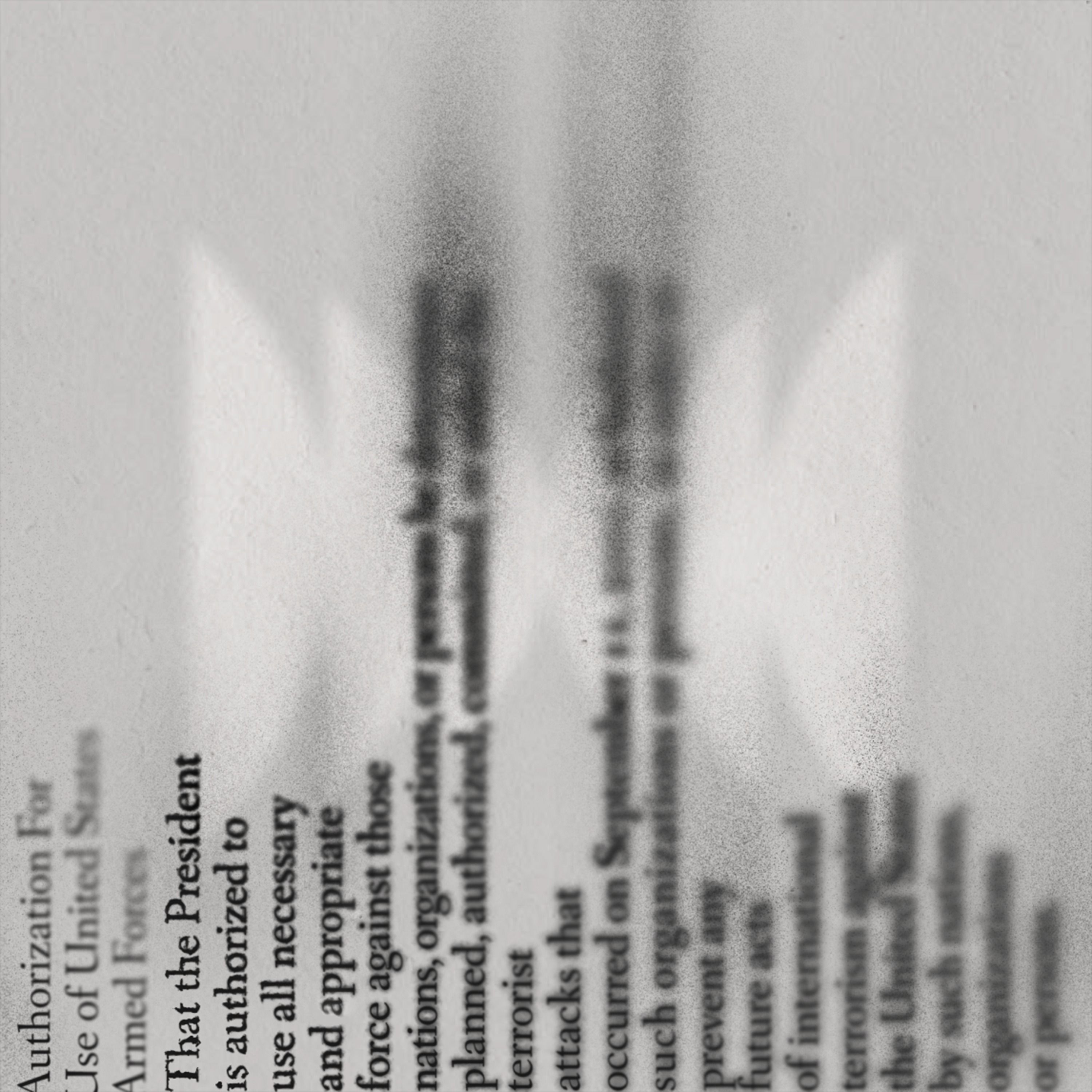
60 Words
The episode shows how a narrowly written post-9/11 authorization became a durable legal basis for detention, drone strikes, and undeclared wars.
- 1Congress’s 2001 authorization expanded far beyond its text to cover detention, drone strikes, and operations against unnamed groups.
- 2Barbara Lee’s lone vote against the authorization reflected fears that broad war powers could outlast the crisis that created them.
- 3Secret enemy lists and targeting decisions leave Congress and the public uncertain about who can legally be attacked.
Don't miss
Barbara Lee recounts the decision that made her the only member of Congress to vote against the authorization after September 11.
The brief
A 60-word sentence in the 2001 Authorization for Use of Military Force became the legal foundation for America’s post-9/11 military actions.
Congresswoman Barbara Lee, haunted by the Gulf of Tonkin Resolution, became the only member to vote against the authorization days after September 11.
Legal experts and reporters trace how the authorization came to support Guantanamo detention, drone strikes, and action against unnamed groups through “associated forces.”
The United States applied the authorization to groups in Yemen, Somalia, Libya, and elsewhere, while officials declined to disclose a definitive enemy list.
Secret targeting meetings and legal reviews expose an oversight problem: even lawmakers may not know which groups the authorization covers or who qualifies as a lawful target.
Because the authorization was never repealed and was later invoked against ISIS, the episode leaves open who can end a war whose boundaries keep expanding.
 Benjamin Wittes
 BuzzFeed
Books & mentions
Listen to the full episode and explore every guest, topic, and moment on PodLume.